Thinking about buying in Skaneateles while living somewhere else? You are not alone, and the good news is that it can be done smoothly with the right plan. If you are balancing virtual tours, travel schedules, and local due diligence, you need a process that helps you move with confidence. This guide walks you through how out-of-area buyers can purchase in Skaneateles, what to research from afar, and where local support matters most. Let’s dive in.
Why Skaneateles draws remote buyers
Skaneateles is not just a place people visit for a weekend. It is a year-round residential community centered around the lake, with a long history and a built environment that includes homes and architectural details dating back to the 1830s. That mix can make the market especially appealing if you want lifestyle, character, and long-term value in one purchase.
The area also functions as a destination market, with shops, restaurants, inns, and seasonal events noted by the village. For you as a buyer, that means you may be weighing more than square footage or commute time. You may also be considering lake access, walkability to village amenities, or the upkeep that can come with an older home.
Start with boundaries and basics
One of the biggest mistakes out-of-area buyers make is assuming the ZIP code tells the whole story. In Skaneateles, it helps to separate village, town, and school district boundaries early in your search. That matters because the Skaneateles Central School District serves six townships and is about 25 miles southwest of Syracuse.
This does not mean your search has to get complicated. It means you should confirm the exact municipal jurisdiction and parcel details before you fall in love with a listing. A local, detail-oriented process can save you time and help you compare homes more accurately.
Know the difference between village and town
A property may have a Skaneateles mailing address but fall under different local records, rules, or permit oversight depending on where it sits. County guidance makes clear that deeds and mortgages, tax and assessment records, and building or zoning records may be handled by different offices.
For you, the practical takeaway is simple. Verify the parcel, the local jurisdiction, and the school district at the same time. That extra step is especially important if you are making decisions from another city or state.
Use remote research tools first
Before you book a trip, you can narrow your list with public tools and local records. Onondaga County’s Image Mate system gives access to real property information such as tax maps, property images, parcel size, frontage, and current tax bills. That can help you compare homes beyond the listing photos.
This kind of research is useful if you are sorting through village homes, rural acreage, or lake-oriented properties. You can get a better feel for lot shape, neighboring parcels, and tax information before you spend time on live tours. It is one of the easiest ways to make your search more efficient from afar.
What to check from your computer
When reviewing properties remotely, focus on facts that photos may not explain well:
- Parcel size and shape
- Road frontage
- Current tax bills
- Property photos in public records
- Municipal jurisdiction
- School district alignment
- Whether the property appears village-based, rural, or waterfront-oriented
If a home is on or near the lake, your review should go a step further. The Town of Skaneateles provides zoning maps, environmental resources planning maps, watershed maps, shoreline guidance, and building or zoning permit information that can help you spot possible questions before you make an offer.
Waterfront properties need extra review
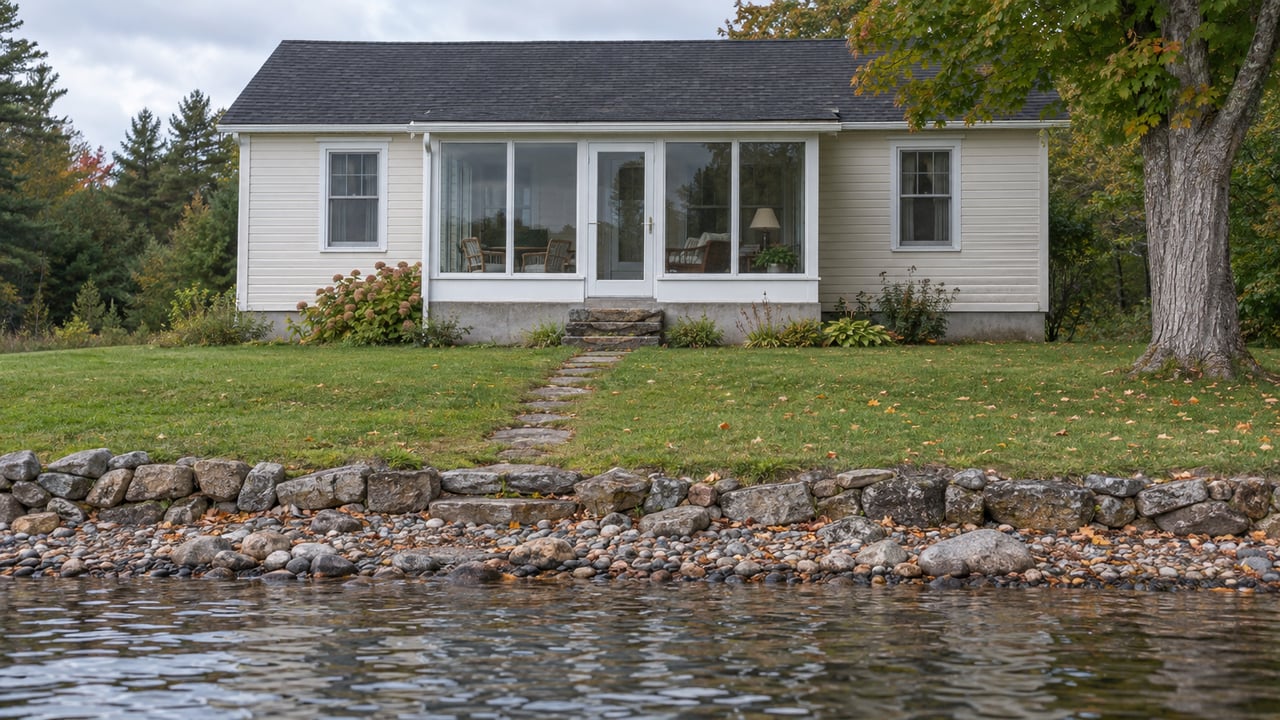
If you are buying on the lake, the shoreline matters as much as the house. Local zoning materials and lakeshore regulations indicate that certain structures near the lake line or within the 100-year floodplain may require special permits. These can include seawalls, retaining walls, larger permanent docks, larger decks or patios, tall stairways, and boathouses.
That does not mean waterfront buying is harder than it looks. It means you should treat shoreline features as part of your due diligence. If a property includes improvements near the water, ask early about permits, approvals, and any history of shoreline work.
Why watershed rules matter
Skaneateles Lake is part of a watershed planning framework focused on protecting water quality. For you as a buyer, that is a reminder to look closely at drainage, erosion control, and prior improvements on the site.
This is especially important if the property has visible shoreline stabilization, stairs, retaining walls, or a dock setup that may have changed over time. Remote buyers often focus on the view first, but local compliance and maintenance questions deserve equal attention.
Treat virtual tours as a first step
Virtual tours are helpful, but they should not be your only due diligence tool. New York’s Property Condition Disclosure Act requires the seller of residential real property to deliver the disclosure statement to the buyer or the buyer’s agent before a binding contract is signed. The state also makes clear that the disclosure is not a warranty and is not a substitute for inspections or environmental tests.
That is why it helps to think of video tours as a screening tool. They can help you rule homes in or out, but they should not replace your document review, inspection planning, or public-record checks. A strong remote buying process combines all three.
Build the right local team
Long-distance purchases work best when each part of the transaction is handled by the right professional. In Skaneateles, that usually means pairing remote research with local representation, a New York-licensed home inspector, and a New York real estate attorney.
This team approach is not about adding steps. It is about reducing surprises. When your support team knows the local process, you can make decisions faster and with better information.
Work with a New York-licensed inspector
New York says a home inspector observes and provides a written report on a residential building’s systems and components, and people performing home inspections for compensation must be licensed unless a specific exemption applies. For you, that means it is smart to hire a New York-licensed inspector and leave enough time in the contract to review the report before deadlines pass.
If you are buying an older village home, an acreage property, or a lakefront home, that inspection window becomes even more important. Different property types can raise different maintenance questions, and you want time to understand what the report means for your next step.
Use a New York real estate attorney
Onondaga County Clerk guidance strongly recommends consulting an attorney for the preparation and recording of legal documents. The county also notes that recorded deeds must include a legal description along with RP-5217 and TP-584 forms.
For an out-of-area buyer, this matters because your attorney can help coordinate contract review, signing order, and recording logistics. That support can be especially useful when you are handling the purchase from a distance and want a smoother closing path.
Plan for remote signing and closing
You may not need to be physically present for every step of the transaction. New York permits electronic notarization when handled by a registered electronic notary who is physically located in New York, with real-time audio and video communication through compliant systems.
That creates a workable remote-signing option for some closing documents, assuming your attorney, title company, and notary process are aligned. It is not a one-size-fits-all solution, but it can make a long-distance purchase more manageable.
Recording can move electronically too
Onondaga County accepts eRecording for land-record documents through facilitator companies. The county says this can help documents reach the public record faster, and it also notes that eRecording is optional.
For you, the practical benefit is efficiency. If your closing team is set up for it, electronic submission may help reduce delays between signing and recording.
Make your scouting trip count
If you can visit in person, use that time wisely. A scouting trip is often most valuable for details that photos and videos do not capture well, such as street noise, parking patterns, time-of-day traffic, and the feel of the surrounding area.
This is also the right time to look closely at access points, site grading, and shoreline features if you are considering waterfront property. In-person observation can help you confirm whether the home feels right beyond what you saw online.
Questions to answer on your visit
Try to leave your trip with answers to questions like these:
- How does the street feel at different times of day?
- Is parking easy for your needs?
- How close are neighboring homes or structures?
- Does the lot slope in ways that affect use or drainage?
- If waterfront, do shoreline features appear consistent with local rules and permits?
- Does the property match the lifestyle you imagined from the listing?
Think beyond closing day
A smart purchase plan also looks ahead to ownership. The village website offers tools for property-tax search, utility payments, and forms or permit applications, and it lists electric, sewer, and water departments. That makes it easier to understand some of the practical details that begin after closing.
You should confirm service responsibilities early, especially if you are comparing different property types. Not every property will have the same utility setup, and knowing that before closing can help you budget and plan with fewer surprises.
A clear path for out-of-area buyers
Yes, you can buy in Skaneateles from out of area. The process works best when you combine online parcel and tax research, careful review of municipal and shoreline rules, strong inspection planning, and local legal and transaction support.
If you want a purchase process that feels organized rather than overwhelming, local guidance makes a real difference. Katie brings hometown Skaneateles knowledge, responsive communication, and a data-driven approach that can help you evaluate properties, understand local context, and move forward with confidence. When you are ready to start your search, request a personalized consultation with Catherine Armijo.
FAQs
Can out-of-area buyers purchase a home in Skaneateles remotely?
- Yes. Remote buyers can complete much of the process through online property research, virtual tours, local inspection support, legal guidance, and, in some cases, remote notarization and electronic recording.
What should remote buyers research before touring Skaneateles homes?
- Start with parcel data, tax maps, current tax bills, municipal jurisdiction, and school district details. For lake or rural properties, also review zoning, shoreline guidance, watershed materials, and permit information.
Do waterfront homes in Skaneateles need extra due diligence?
- Yes. Certain shoreline structures and improvements near the lake or in the 100-year floodplain may require special permits, so buyers should review docks, retaining walls, seawalls, patios, stairs, and boathouses carefully.
Are virtual tours enough for buying a home in Skaneateles?
- No. Virtual tours are helpful for narrowing your choices, but New York’s disclosure form is not a warranty and does not replace inspections, environmental tests, or public-record review.
Should out-of-area buyers use a New York home inspector and attorney?
- Yes. New York requires licensed home inspectors in most paid inspection situations, and Onondaga County strongly recommends consulting an attorney for legal document preparation and recording matters.
What should buyers do during a scouting trip to Skaneateles?
- Use the visit to evaluate factors that are harder to judge online, such as parking, traffic, street noise, neighborhood feel, lake access, lot conditions, and visible shoreline features.