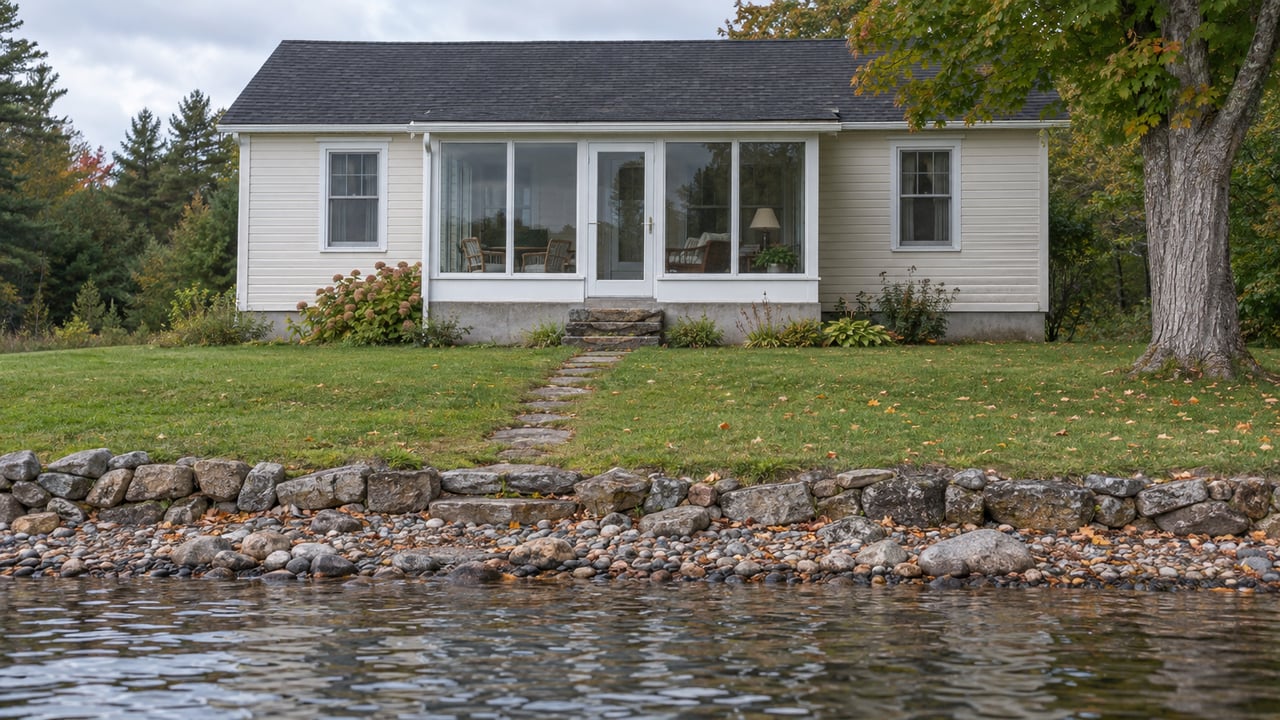
Wondering what it really costs to own a lakefront home in Skaneateles? The purchase price is only part of the picture. If you are planning for a home on the water in the 13152 area, a smart budget should also account for utilities, shoreline upkeep, dock costs, insurance questions, and project reserves. Let’s dive in.
Think beyond the mortgage
A lakefront budget works best when you break it into a few clear buckets instead of trying to force everything into one monthly number. In Skaneateles, ownership costs can vary a lot from one property to the next based on utility service, shoreline features, and whether future work may need permits or professional review.
A practical framework is to separate your costs into monthly utilities, annual maintenance, dock and boat expenses, and reserve funds for repair-driven or permit-driven projects. That approach fits how lakefront ownership in the Skaneateles area actually works.
Start with utility service
One of the first questions to ask is simple: Which utility system serves the property? In the 13152 ZIP code, that answer can change your monthly carrying costs.
Some properties are served by Village of Skaneateles utilities, while others may fall under a different local setup. The Village posts monthly water, sewer, and electric rates, and the Town of Skaneateles posts a separate residential water rate. Before you assume a budget, confirm the parcel’s actual service district.
Village water and sewer costs
If a property is on Village water and sewer, the Village’s posted rates provide a useful starting point. Water is billed monthly at $20.13 for usage up to 350 cubic feet, then $0.068158 per cubic foot above that, plus CP1 and FFI surcharges. Sewer is billed at $0.12208 per cubic foot of water.
Using the posted rates, a 350 cubic foot month comes to about $72.87 for Village water and sewer combined. A 500 cubic foot month is about $105.69. For context, 350 cubic feet is about 2,618 gallons.
Village electric costs
Village residential electric also has its own structure. There is a $3.25 monthly customer charge, plus energy charges and a monthly purchased power adjustment.
The posted rate is $0.034 per kWh in summer. In winter, the rate is $0.034 per kWh for the first 750 kWh and $0.0504 per kWh after that. If you plan to use the property year-round, winter usage deserves a close look.
Town water rates
If the parcel is served by the Town of Skaneateles water system, the Town posts a residential water rate of $6.35 per 1,000 gallons. That is why confirming the exact service setup matters so much before you estimate your monthly ownership costs.
Sewer or septic matters
Not every lakefront home is on public sewer. In the Skaneateles Lake watershed, the Village is the only municipality with a public sewer system, while many other watershed homes use septic tanks or holding tanks.
That means a property outside the village sewer system may come with additional budgeting needs such as septic pumping, inspections, and eventual replacement. Those costs may not show up every month, but they can become a meaningful part of long-term ownership.
Plan for shoreline-safe maintenance
Lakefront maintenance is different from ordinary home maintenance. In the Skaneateles Lake watershed, property care is shaped by rules intended to protect lake water quality, which is especially important because Skaneateles Lake serves as the unfiltered drinking water source for the City of Syracuse.
For you as an owner, that means landscaping, drainage, and shoreline work may require more planning than they would at an inland property. It is wise to budget for shoreline-sensitive upkeep, not just mowing, painting, and routine repairs.
Watershed rules affect projects
The watershed rules apply to lands draining toward the lake. Town code also states that Skaneateles Lake and its tributaries should be maintained in their natural state, and it restricts pesticides, herbicides, and fertilizer within 100 feet of the Lake Line or a watercourse.
Those rules can affect how you approach outdoor improvements and seasonal maintenance. Even a project that looks straightforward may need to be planned more carefully when it is near the shoreline.
Drainage and grading can cost more
The Town requires site plan review for development within 1,000 feet of the lake line. In addition, the watershed rules require Sediment and Erosion Control Plan review for owners who disturb 5,000 square feet or more in defined environmentally sensitive areas.
In practical terms, drainage, grading, and landscaping work may need civil review, permitting support, or both. That can increase project costs compared with a standard yard improvement elsewhere.
Shoreline structures have special rules
The Town code treats some shoreline structures differently from ordinary exterior improvements. Structures within 50 feet of the lake line or within the 100-year flood hazard area may trigger special permit review.
Examples include seawalls, retaining walls, decks or patios larger than 400 square feet, stairways higher than 25 feet, permanent docks larger than 200 square feet, and boathouses. If a property already has these features, or if you hope to add them later, reserve funds are important.
Erosion control is its own budget line
Seawalls and retaining walls used for erosion control are treated separately in Town code. That is a helpful reminder that shoreline stabilization is often not just part of routine exterior maintenance.
It is better to think of erosion control as its own category in your budget. This is especially relevant as the watershed plan notes more intense rainfall events as part of the long-term risk picture.
Expect seasonal dock and boat costs
For many buyers, the waterfront lifestyle is the whole point of owning on Skaneateles Lake. But docks, boats, lifts, moorings, and shoreline access can bring irregular costs that inland owners never face.
These costs are often easier to manage when you treat them as separate from your main home budget. That way, seasonal work and marine services do not catch you by surprise.
Permits may come before construction
New York State identifies activities such as installing a boat dock, constructing a boathouse, shoreline stabilization, and dredging as projects that may require permits or water-quality certification. That means you may face engineering, surveying, or application preparation costs before physical work even begins.
This matters for both new buyers and current owners planning updates. A project budget should include not just materials and labor, but also the front-end review process.
Temporary and permanent docks differ
The Town of Skaneateles code specifically addresses docks, moorings, boathouses, and marine railways. Temporary docks are treated differently from permanent docks, which can create very different cost profiles.
A seasonal dock setup may avoid some of the costs tied to permanent structures, but it still requires budgeting for installation, removal, storage, repair, and replacement. Over time, those recurring seasonal expenses can add up.
Build a dock and boat budget
A simple way to organize this part of ownership is to create a dedicated dock and boat category. You may want line items for:
- Seasonal dock installation and removal
- Winter storage
- Cleaning and routine repairs
- Lift or mooring maintenance
- Marine service work
- Eventual replacement of aging equipment
The right mix depends on how the property is set up and how you plan to use the water access.
Review flood and insurance questions early
Insurance deserves attention early in your budgeting process, not after you are under pressure to close. A standard homeowners policy may not cover every water-related risk that matters on a lakefront property.
Most homeowners policies do not cover flood damage. Flood coverage can also involve timing considerations, since NFIP flood policies generally have a 30-day waiting period before coverage starts.
Check flood review with permit review
The Town code references FEMA Flood Insurance Rate Maps in the shoreline section. That makes it smart to review flood hazard information and permit considerations together during due diligence.
If a structure sits near the shoreline or in an area affected by flood mapping, that can influence both your insurance planning and your future project costs. It is worth confirming the current effective map rather than relying on an older copy.
Build the right due diligence team
A good lakefront budget is rarely a solo exercise. Because many of the largest costs are seasonal, project-driven, or site-specific, it helps to talk with the right local professionals before you buy.
The Town Building and Codes Department says it is the first stop for proposed construction in the Town and is responsible for code compliance, permits, and inspections. That makes early conversations especially valuable if you are considering updates or improvements.
Helpful professionals to consult
Depending on the property, your checklist may include:
- A local insurance agent familiar with flood and liability questions
- A waterfront contractor or dock specialist
- A marine service yard or boat mechanic
- A septic or well professional if the home is not on municipal sewer
- A civil engineer or surveyor for shoreline, drainage, or erosion work
- The Town or Village code office for permit questions
- The County health department for septic-related forms and approvals
A simple budget framework
If you want a practical starting point, organize your lakefront budget into four parts. This keeps your planning realistic and helps you avoid treating seasonal or project costs like surprise expenses.
- Monthly carrying costs such as water, sewer, electric, and routine service bills
- Annual maintenance such as exterior care, drainage upkeep, and shoreline-sensitive landscaping
- Dock and boat costs such as installation, storage, cleaning, repairs, and marine services
- Reserve funds for septic work, erosion control, flood-related needs, and permit-driven improvements
That structure gives you a clearer picture of what ownership may feel like over time, not just what it costs on paper in month one.
If you are comparing lakefront properties in Skaneateles, a careful budget can help you look past the listing photos and understand the full ownership picture. That is where local knowledge and a strong financial lens really matter. If you want help evaluating a specific property or building a smarter lakefront buying plan, reach out to Catherine Armijo for a personalized consultation.
FAQs
What utility costs should you check for a Skaneateles lakefront property?
- Confirm whether the property uses Village of Skaneateles utilities, Town water, public sewer, or a septic or holding tank system, because those details can significantly change your monthly and long-term costs.
Are all Skaneateles lakefront homes connected to public sewer?
- No. The Village is the only municipality in the watershed with a public sewer system, and many other watershed homes use septic tanks or holding tanks.
Do Skaneateles docks and boathouses always need permits?
- Not always, but many shoreline structures can trigger special permit review, and temporary docks are treated differently from permanent docks under Town code.
Why should you budget separately for shoreline work in Skaneateles?
- Shoreline stabilization, drainage, grading, and landscaping may involve special rules, permit review, or professional planning support, so they often cost more than standard exterior maintenance.
Does standard homeowners insurance cover flooding at a Skaneateles lakefront home?
- No. Most homeowners policies do not cover flood damage, so flood insurance review should be part of your due diligence and budgeting process.
Who should you call before buying a Skaneateles lakefront property?
- A strong due diligence team may include a local insurance agent, dock specialist, marine service provider, septic professional, civil engineer or surveyor, and the Town or Village code office.