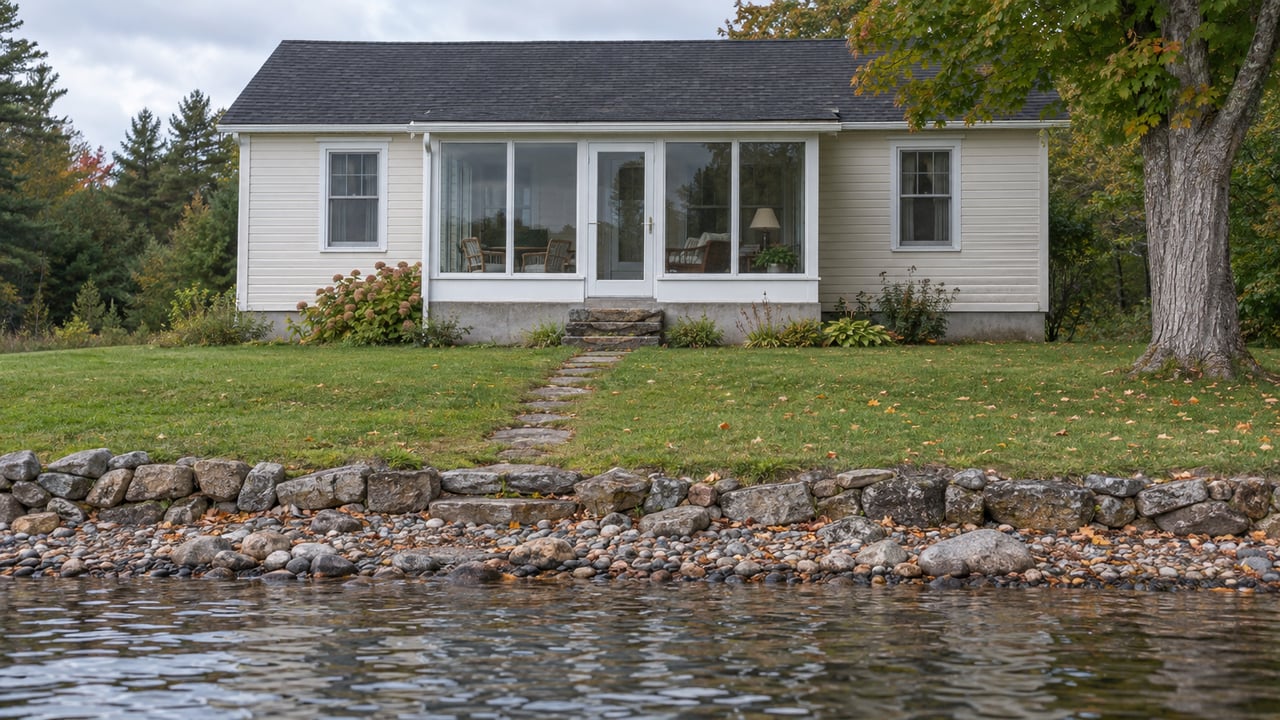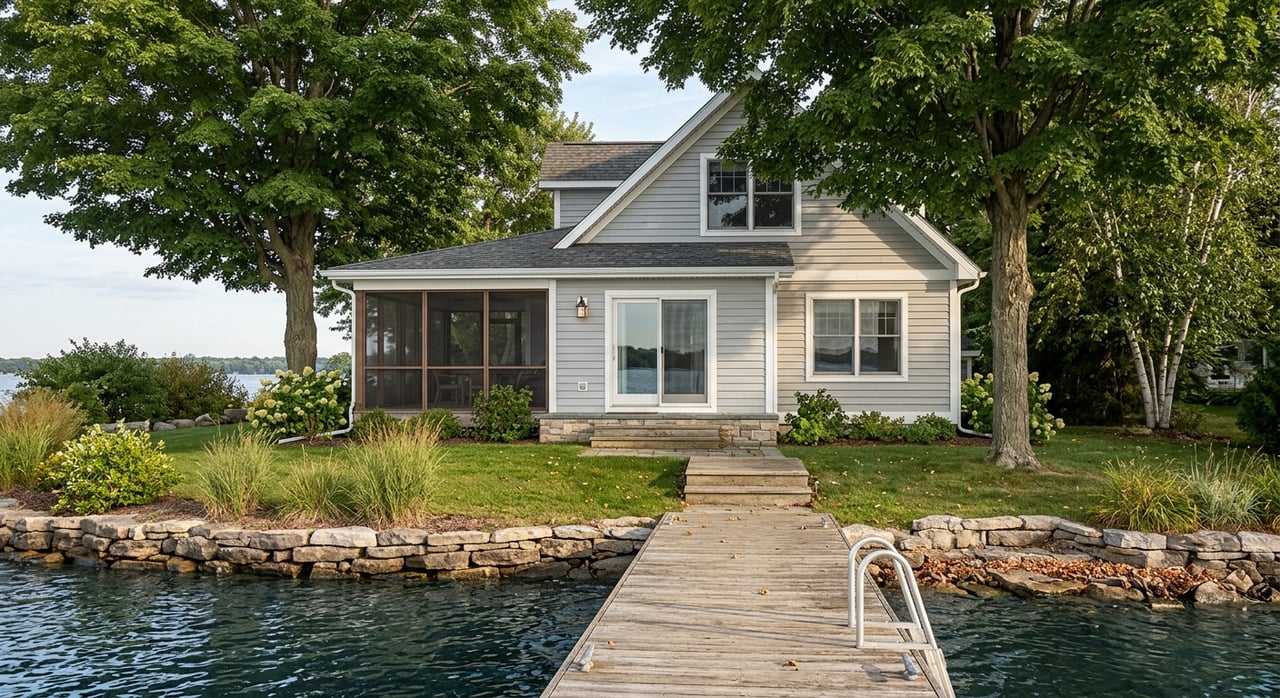
Dreaming about coffee on the dock, long summer weekends, and a place to escape in Skaneateles? A lakefront second home here can absolutely deliver that lifestyle, but it also comes with a layer of shoreline rules, property review, and budgeting details that you do not want to discover after you are under contract. If you want to buy with confidence, it helps to understand how lake access, permits, flood considerations, and seasonal use can shape the value of a property. Let’s dive in.
Why Skaneateles lakefront is different
Skaneateles Lake is not just a beautiful setting for a second home. It is also a protected drinking-water source, which makes shoreline ownership here different from many other waterfront markets. County and town water resources describe the lake as about 16 miles long, with roughly 35 miles of shoreline and a maximum depth of 300 feet.
The lake’s relatively small watershed and low nutrient levels help keep the water clear and limit aquatic vegetation. That clarity is part of what draws buyers in, but it is also one reason local and state oversight matters so much. New York State says the lake serves as a drinking-water source for more than 150,000 people, and local zoning identifies the shoreline, watershed, steep slopes, and erodible soils as environmentally sensitive.
For you as a buyer, the big takeaway is simple. A Skaneateles lakefront purchase is not only about the house, the view, or the frontage. It is also about what you can do on the lot, what has already been approved, and what may require review later.
Start with the property’s jurisdiction
One of the first things to confirm is whether the home is in the Town of Skaneateles or within the incorporated Village of Skaneateles. The Town zoning code applies outside the Village, so shoreline rules can depend on where the property is located. You should not assume that two homes on the lake follow the exact same process.
That detail may sound small, but it affects how you evaluate a listing. Before you get too attached to a dock, boathouse, stairs, or patio, make sure you know which local rules apply. This is often one of the first checkpoints in a smart second-home search.
Understand dock and shoreline rules
If lake access is a top priority, spend extra time on the dock and shoreline setup. Under the Town code, shoreline structures within 50 feet of the lake line or within the 100-year floodplain face special restrictions. Temporary docks are exempt from certain dimensional and permit requirements in that section, but state requirements still apply.
The distinction between a temporary dock and a permanent dock matters more than many buyers realize. The code defines a permanent dock as a fixed structure that remains in the lake more than eight months of the year, including floating docks, piers, and wharves used for berthing boats. If it stays in seasonally for less time, it may be treated differently.
A special permit is required for several common lakefront features, including:
- Seawalls
- Retaining walls
- Marine railways
- Permanent docks larger than 200 square feet
- Decks or patios larger than 400 square feet
- Stairways higher than 25 feet
- Boathouses
The code also says that each lakefront lot may have no more than one boathouse, one permanent dock, and one marine railway. If a listing shows multiple shoreline improvements, that is a clear sign to verify the file history and approvals.
Know the boathouse and dock limits
Boathouses are especially regulated in the Town code. They may not exceed 500 square feet of foundation area, may not be more than 16 feet high above the lake line, and may not contain living quarters. If a structure looks more elaborate than expected, it is worth confirming exactly how it was approved.
Permanent docks also have size and location limits. They may not extend more than 75 feet offshore and must be built to withstand flowing water, wave wash, and ice. In a lakefront market where improvements can heavily influence price, these details can affect both value and your future plans.
Review grading, erosion, and site work
In Skaneateles, the land between the house and the water deserves just as much attention as the house itself. Within 200 feet of the lake line, construction or expansion generally requires site plan approval and an erosion and stormwater control plan. That means changes that seem modest on paper may involve more review than buyers expect.
The Town code also says no change of grade is permitted within 50 feet except by special permit, and a stabilization and planting plan is required. For steep lots, stair access, retaining walls, and runoff control are not just convenience issues. They can directly affect what you can improve and what maintenance may be needed over time.
Think carefully about seasonal versus year-round use
This is a major point for second-home buyers. If you are considering a lakefront cottage now but think you may want to use it year-round later, check the current legal status of the home before you buy. The Town code says that changing a lakefront dwelling from seasonal to year-round residence requires a special permit when any part of the dwelling lies within 100 feet of the lake line.
That does not mean a future change is impossible. It does mean you should not assume you can convert a seasonal property without review. If your long-term plan includes extended stays, winter weekends, or eventual full-time use, this question belongs near the top of your due diligence list.
Evaluate the listing beyond the photos
Lakefront listings can be easy to fall in love with online. The challenge is that photos rarely tell you everything you need to know about grade, stairs, winter exposure, shoreline usability, or the practical condition of the dock. A beautiful image does not confirm whether the lot functions the way you expect.
The most useful documents to review early include:
- A current survey
- Permit history for shoreline improvements
- Any access documents that affect lake use
- Records tied to grading, docks, walls, or boathouses
You should also ask where the exact lake line falls on the survey and whether past work was completed with permits. In a regulated shoreline market, document review is just as important as the showing itself.
Check flood risk early
Flood review should happen early in your search, not at the end. FEMA identifies Special Flood Hazard Areas as high-risk zones on its flood maps. If a property is in a high-risk zone and you are using a government-backed mortgage, flood insurance is required.
Even if you are focused on a cash purchase or a second-home loan, flood-zone status can still affect insurance costs, lender review, and your comfort level with the property. When a home sits close to the lake, this is one of the first practical questions to answer.
Plan for extra timeline steps
Buying a second home on Skaneateles Lake can take more coordination than a typical home purchase. Shoreline permits, flood review, and collecting surveys or approval records can add time before or after a contract is signed. If you are traveling in from out of town, that makes planning even more important.
A focused process usually works best. Many buyers start by getting pre-qualified, narrowing the shortlist virtually, and then reserving one efficient trip for the strongest candidates. That approach helps you compare homes with a clear framework instead of making a rushed decision from photos alone.
Budget beyond the purchase price
The purchase price is only part of the cost of owning a lakefront second home. Local watershed and town resources point to recurring ownership topics such as boating, soil and erosion control, septic systems, wells, landscaping, and road-salt concerns. In other words, lake ownership often comes with ongoing maintenance and compliance costs in addition to taxes and insurance.
Septic planning deserves special attention in the watershed. The watershed site says participating counties can reimburse up to 50% of eligible septic projects, capped at $10,000. That can be helpful context as you build your budget, but you still want your own inspection and maintenance plan before closing.
Questions to ask before making an offer
If you are serious about a property, these are smart questions to ask before you move forward:
- What is the exact lake line or setback situation shown on the survey?
- Is the dock considered temporary, seasonal, or permanent under the Town code definition?
- What shoreline work has been permitted, and what work was done by prior owners?
- Are there approvals related to the Town, NYSDEC, the U.S. Army Corps of Engineers, or the New York State Office of General Services that still need to be satisfied?
- Is any part of the property in a flood zone that could affect financing or insurance?
- If the house is seasonal today, would future year-round use require a special permit review?
These questions can help you separate a great lifestyle fit from a property that may come with more complexity than you expected.
Why local guidance matters
A Skaneateles lakefront second home is a lifestyle purchase, but it is also a detailed real estate decision. You are not only buying frontage. You are buying a combination of access, approvals, condition, usability, and future flexibility.
That is where local knowledge makes a real difference. When you understand how the rules, documents, and physical features of a lot work together, you can make a better decision and protect your investment from the start.
If you are thinking about buying a lakefront second home in Skaneateles, working with someone who knows the local market, the waterfront nuances, and the transaction process can save you time and help you ask better questions. When you are ready to explore your options, connect with Catherine Armijo for a personalized consultation.
FAQs
What makes buying a lakefront second home in Skaneateles different?
- Skaneateles Lake is a protected drinking-water source, so shoreline properties are shaped by local and state oversight in addition to the usual home-buying considerations.
What should you verify about a Skaneateles dock before buying?
- You should confirm whether the dock is temporary or permanent under the Town code, whether it matches that definition in practice, and whether required approvals were obtained.
What shoreline structures may need a special permit in Skaneateles?
- In the Town of Skaneateles, seawalls, retaining walls, marine railways, larger permanent docks, larger decks or patios, taller stairways, and boathouses may require a special permit.
Can you convert a seasonal Skaneateles lakefront home to year-round use?
- If any part of the dwelling is within 100 feet of the lake line, the Town code says changing from seasonal to year-round use requires a special permit.
Why is a survey important for a Skaneateles lakefront purchase?
- A current survey can help you confirm the lake line, setbacks, frontage details, and whether visible improvements align with the property records.
How can flood zones affect a Skaneateles second-home purchase?
- Flood-zone status can affect financing, insurance, and lender review, and flood insurance is required for government-backed mortgages on properties in high-risk flood zones.
What extra costs should you expect with a Skaneateles lakefront second home?
- Beyond the purchase price, you may need to budget for septic, erosion control, shoreline maintenance, landscaping, insurance, and other lake-related upkeep.