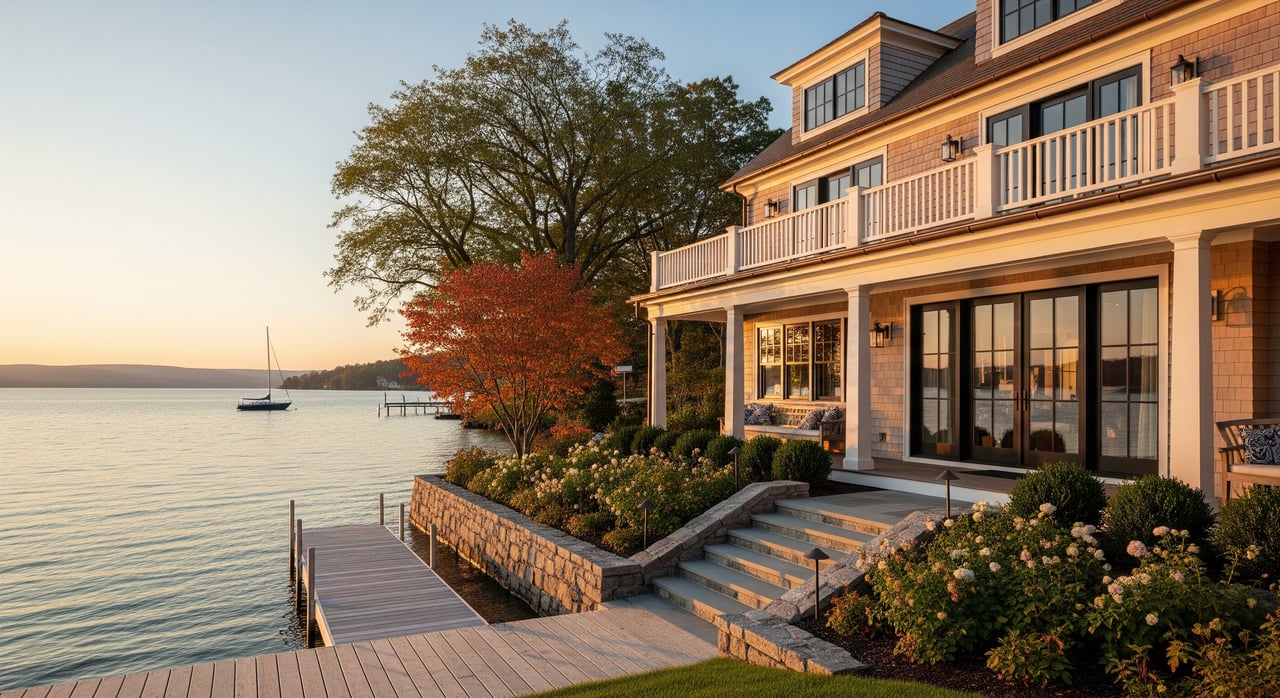
Thinking about buying your first home in Skaneateles? You are not alone. The village charm, rural landscapes, and world-class lake setting make this a special place to plant roots. As a first-time buyer, you might wonder where to start, how the process works here, and what to watch for with wells, septic systems, or shoreline rules. This guide breaks it all down so you can move forward with confidence. Let’s dive in.
Skaneateles basics for buyers
Skaneateles includes the Village and the surrounding Town in Onondaga County. You will find a mix of historic village homes, rural properties on larger lots, and homes on or near Skaneateles Lake. Each area offers different tradeoffs for services, privacy, and upkeep.
Local custom often includes working with both a real estate agent and a New York State real estate attorney. Most financed purchases close in about 30 to 60 days once your offer is accepted, with inspection and mortgage deadlines along the way.
Choose village, rural, or lake
- Village: Walkability, sidewalks, smaller lots, and many homes with municipal water and sewer. Expect potential historic design or renovation considerations and higher price per square foot in some locations. Verify zoning and any design review with village offices.
- Rural: Larger lots with private wells and septic systems. Plan to check well water quality, septic age and capacity, and any private road maintenance agreements or driveway access details.
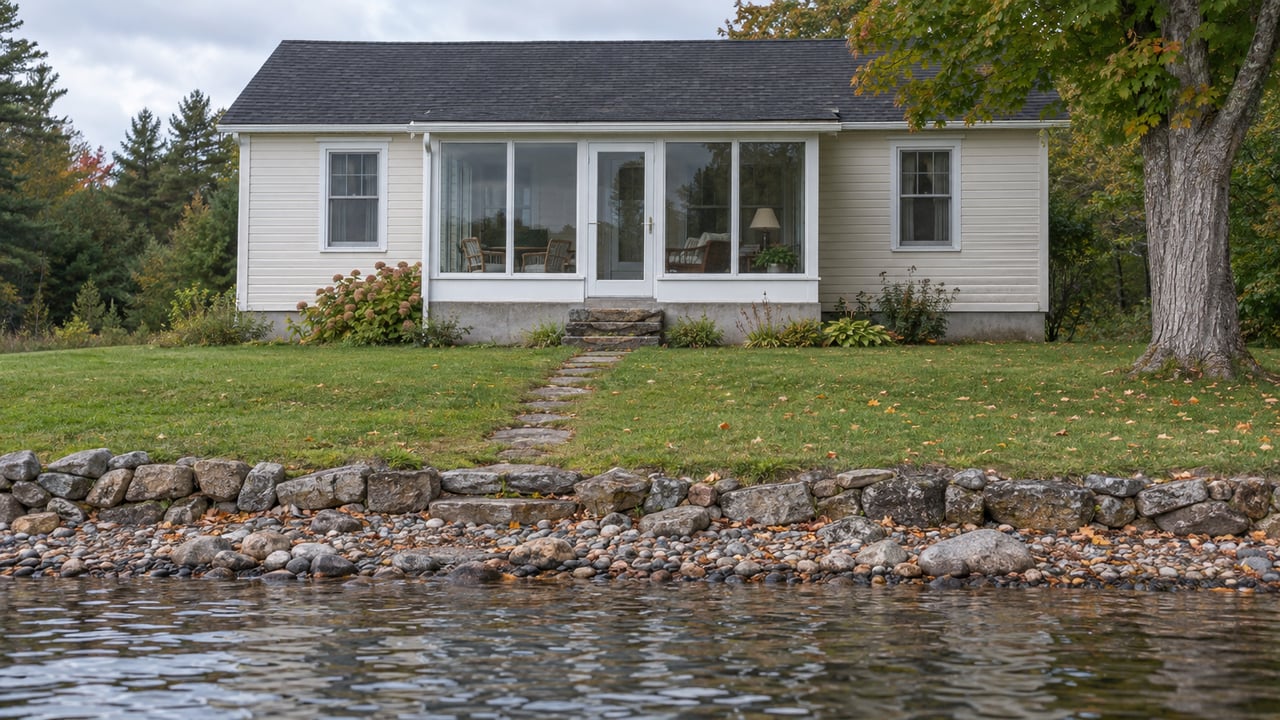
- Lakefront or lake-adjacent: Added layers include shoreline regulations, dock and boathouse permits, septic rules for a sensitive drinking-water lake, and erosion or flood risk. Confirm permit history, setbacks, and any conservation restrictions.
For a quick overview of lifestyles and neighborhoods, explore the Skaneateles neighborhood page.
Set budget and financing
Start with a clear budget, including your down payment, monthly payment comfort, and savings for closing costs. Closing costs in this region typically range from 2 to 5 percent of the purchase price, depending on your loan and service providers.
Get a mortgage pre-approval, not just prequalification, before touring widely. You can model monthly payments with Katie’s mortgage calculator. Ask lenders about first-time buyer options such as SONYMA, FHA, VA, USDA, or local bank and credit union programs.
Your buying timeline
Preparation
Collect documents, set your budget, and outline your must-haves. Decide whether village, rural, or lake settings fit your lifestyle. Research commute needs and any services that matter to you.
Mortgage pre-approval
A strong pre-approval can take a few days once you submit documents. Confirm how much you can borrow and estimated closing costs.
Home search and showings
Tour homes and request available records up front. Ask about utilities, septic and well history, flood status, shoreline permits, and any shared road agreements.
Offer and attorney review
Work with your agent to structure a competitive offer with standard protections. In New York, attorneys typically review contracts and handle closing documents. If the market is tight, you may see escalation strategies, but your protections and budget should come first.
Inspections
Schedule general and specialized inspections quickly within the agreed window, commonly 7 to 14 days. Use the findings to negotiate repairs or credits.
Appraisal and underwriting
Your lender orders the appraisal and finalizes underwriting. You will receive a mortgage commitment by the contract deadline.
Closing
Complete your final walkthrough, review your settlement statement, sign documents, and receive keys once the deed is recorded.
Inspections to prioritize
- General home inspection for all properties.
- Radon test, common in New York.
- Termite or wood-destroying insect inspection for older homes and outbuildings.
- Septic inspection or performance test and review of records.
- Well water test for bacteria, nitrate, and coliforms.
- For lake homes: shoreline and bulkhead assessment, dock or pier permit history, erosion and flood elevation review, and aquatic invasive species precautions where relevant.
- Survey or boundary check, especially for rural and lakefront parcels.
Contingencies to include
- Financing: Protects you if your mortgage is not approved by the deadline.
- Home inspection: Allows you to negotiate repairs, credits, or walk away per the contract.
- Title: Ensures clean ownership and identifies liens or restrictions.
- Survey review: Confirms boundaries, easements, and riparian rights near the lake.
- Septic and well: Verifies performance and water quality.
- Lead disclosure for pre-1978 homes, plus any environmental checks as needed.
Plan for costs and taxes
- Down payment: Varies by loan type and your profile.
- Closing costs: Often 2 to 5 percent of the price, including lender, title, attorney, and recording fees.
- Property taxes: Confirm with Onondaga County records and town or village tax bills. School taxes are a significant component.
- Insurance: Homeowner’s insurance varies by property type, updates, and location. Lakefront homes may have higher premiums due to flood or storm exposure.
- Flood insurance: Required if the property is in a lender-identified flood zone. Low-lying areas near the lake may still merit extra review even outside mapped zones.
- Septic and well maintenance: Budget for routine pumping and servicing. Replacement or upgrades can be significant, especially near the lake.
- Shoreline and dock upkeep: Plan for dock maintenance, erosion control, and any bulkhead repairs.
Lakefront specifics to verify
- Shoreline structures and docks: Confirm permit history and compliance before you buy. Ask for documents on piers, boathouses, and shoreline work.
- Septic rules near the lake: Watershed protection often means stricter standards for wastewater systems and stormwater control.
- Setbacks and riparian rights: Review surveys and any recorded easements or conservation covenants that affect use.
- Flood and erosion risk: Ask for past history and review any elevation data available.
Title, survey, and access
- Easements and covenants: Identify any restrictions that affect building, landscaping, shoreline use, or rentals.
- Private road agreements: Confirm maintenance responsibilities and legal access.
- Historic or design review: Some village areas may have rules for exterior changes. Verify requirements early if you plan renovations.
Touring checklist
- Bring your pre-approval and a clear priority list.
- Ask for available septic, well, and utility records.
- For lake or seasonal cottages, ask about winterization and any prior conversion attempts to year-round use.
- Note driveway access, plowing needs, and any private road details.
- Check for any available survey, boundary markers, or dock layout drawings.
Make a strong offer
Talk with your agent about customary earnest money deposits and standard contract deadlines. Include the contingencies you need while staying competitive. In multiple-offer situations, you may consider escalation language or flexible timing if it fits your comfort and goals.
Closing day
Before closing, complete your final walkthrough to verify condition and agreed repairs. Review your settlement statement carefully. Once funds transfer and the deed is recorded, you will receive keys and can plan move-in.
Work with a local guide
Buying in Skaneateles is rewarding, and it comes with location-specific details that can impact your budget and timeline. You deserve a guide who understands village, rural, and lakefront rules, plus the local customs that shape negotiations and closing. If you want a clear, calm path from first tour to keys in hand, connect with Catherine Armijo for attentive, data-informed buyer representation.
FAQs
What makes first-time buying in Skaneateles unique?
- You will choose among village, rural, and lake settings, each with different utilities, regulations, and maintenance needs that shape inspections, insurance, and budget.
How long does a Skaneateles purchase take?
- After offer acceptance, financed closings commonly take about 30 to 60 days, with inspection windows around 7 to 14 days and mortgage commitment deadlines that follow.
Which inspections are essential for rural or lake homes?
- Plan for a general home inspection, radon, septic performance, well water testing, survey review, and for lakefront, shoreline and bulkhead checks plus permit history.
Who oversees septic and shoreline rules near the lake?
- Local health and environmental authorities set and enforce septic and shoreline standards, and town or village departments handle zoning and building permits.
Are there first-time buyer programs to consider?
- Ask lenders about SONYMA, FHA, VA, USDA, and local bank or credit union options, then compare down payment, mortgage insurance, and closing cost structures.
Can I convert a seasonal cottage to year-round use?
- It depends on zoning, septic and well capacity, and watershed rules, so verify with local planning and health departments before you commit.