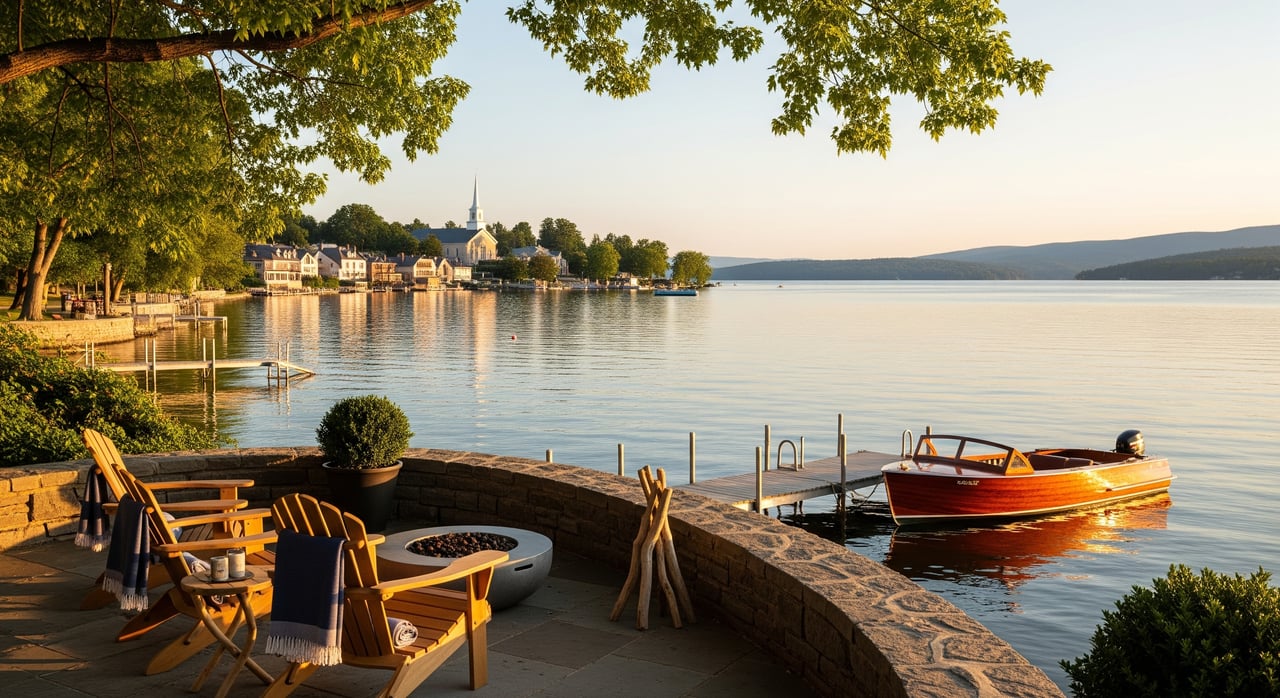
Are you torn between waking up to sparkling lake views or strolling to breakfast on Genesee Street? If you are weighing lakefront, deeded-access, and in-village options in Skaneateles, you are not alone. Each path offers a different mix of privacy, upkeep, cost, and community. In this guide, you will learn how these choices stack up in 13152 so you can move forward with confidence and a clear plan. Let’s dive in.
Skaneateles lifestyles at a glance
True lakefront
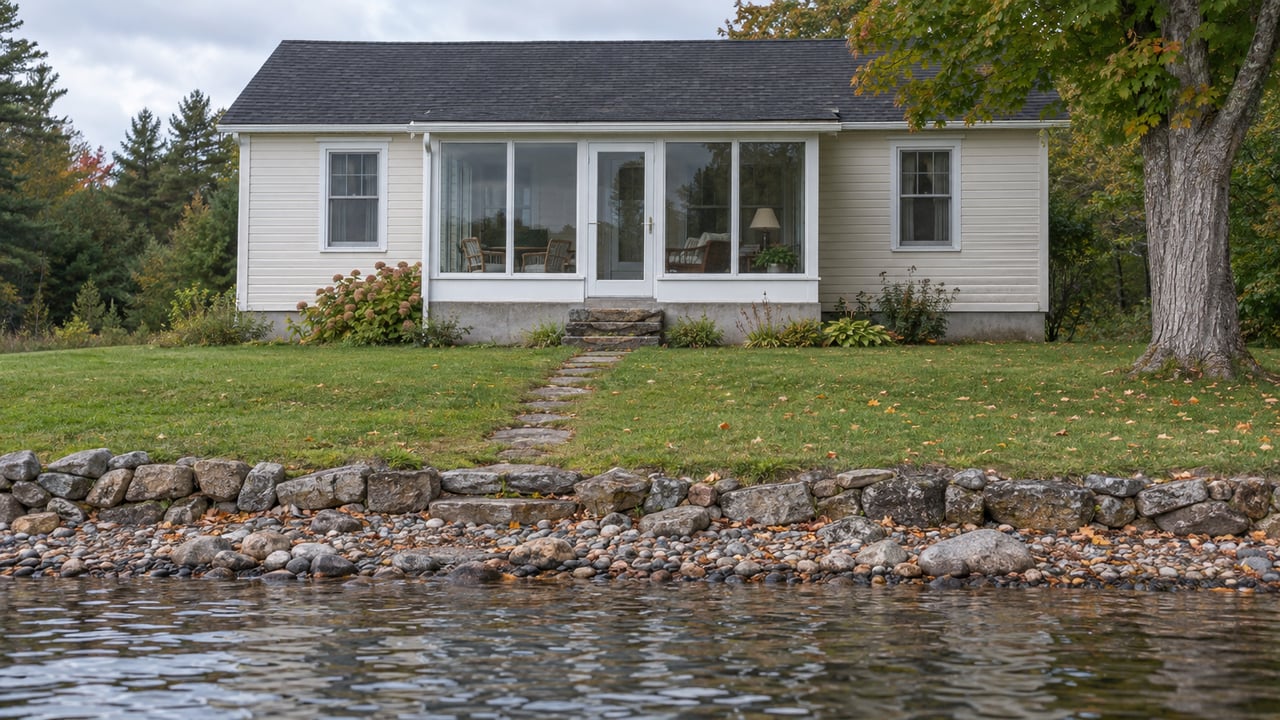
If you want immediate water access, private dock potential, and uninterrupted views, true lakefront checks the box. You will likely enjoy a serene setting during much of the year, with more boat traffic and summer activity on peak weekends. Walkability to the village depends on your location. Many lakefront parcels, including stretches along East Lake Road, are car-dependent for daily errands.
Typical buyers here value privacy, boating, and the ability to use the lake in every season.
Deeded access
Deeded-access homes give you legal rights to a shared beach, path, or dock without being right on the water. You keep the lake lifestyle and usually save on the purchase price. The tradeoff is logistics. You may drive or walk to an access point with limited parking and shared maintenance rules. Views on your lot may be partial or blocked by trees or other homes.
This path fits buyers who want to enjoy the lake with lower upkeep and a more moderate budget.
In-village
In the Village of Skaneateles, you get easy access to restaurants, shops, galleries, and community events. Many properties can connect to municipal water and sewer, and smaller lots usually mean simpler landscaping. You may have limited or no lake views and less privacy than an out-of-village setting.
Village living is ideal if you prioritize daily convenience, walkability, and year-round community.
Cost and ownership basics
Purchase price and taxes
- True lakefront typically commands the highest purchase price and assessed value, which can increase property taxes.
- Deeded-access homes are usually priced below direct waterfront yet above comparable inland properties with no access.
- In-village prices vary with house size, condition, and proximity to downtown. Village taxes can be higher per thousand due to an added village levy, but parcels are often smaller.
Insurance and flood risk
- Lakefront homes face higher exposure to wind, ice, and flooding. If a property is in a FEMA high-risk zone, a lender may require flood insurance. Even outside high-risk zones, many buyers seek quotes to understand costs.
- Deeded-access homes generally have lower flood risk than direct waterfront, though the shared access area itself may be flood-prone.
- In-village parcels are typically inland, with flood risk dependent on the exact lot. Historic properties may need specialized coverage.
Utilities and services
- True lakefront often relies on private wells and septic systems. You should plan for septic inspections and possible upgrades that meet county and watershed rules.
- Deeded-access utility setups vary by neighborhood. You may see private septic or municipal connections depending on proximity.
- In-village homes commonly have access to municipal water and sewer. Snow removal, trash collection, and high-speed internet options are often straightforward. Always confirm the specific property’s connection status.
Maintenance and seasonality
Lakefront tasks
Direct waterfront living comes with shoreline work that can include erosion control, riprap or bulkhead repairs, and dock installation and winter removal. Vegetation management near the shoreline is often part of your upkeep plan to protect water quality and preserve views. Seasonal storms can increase wear on docks and shoreline structures.
Expect to coordinate licensed shoreline contractors and to keep records of permits, repairs, and inspections.
Deeded access upkeep
You will maintain your own home much like any inland property. The shared access point may require stairs, path, dock, or parking maintenance through an association or cost-sharing arrangement. Review budgets and rules before you buy.
Village upkeep
In-village owners often benefit from municipal services and smaller lots that reduce landscaping needs. Many homes are older or historic, so you should plan for routine exterior maintenance and confirm any historic review requirements before you update curb appeal elements.
Rules and permits to know
Skaneateles Lake is a protected water resource, and rules are designed to preserve water quality and community character. Before committing, discuss your plans with local authorities and confirm what is allowed on your specific parcel.
Key contacts to consult:
- Town of Skaneateles Planning and Zoning or Code Enforcement for setbacks, lot coverage, and building permits.
- Village of Skaneateles municipal offices for village zoning, historic district review, and water or sewer connections.
- Onondaga County Health Department for septic rules and inspections.
- Onondaga County Real Property Tax Service Agency for assessments.
- FEMA for flood maps and zone determinations.
- New York State Department of Environmental Conservation for shoreline and wetland permits.
- Skaneateles Lake watershed groups for guidance on best practices to protect water quality.
Regulatory topics to verify:
- Shoreline modifications such as docks, riprap, and vegetation removal often require multiple approvals.
- Septic upgrades may be required to comply with county and watershed protections.
- Deeded-access parking, pathways, and boat slip rights should be spelled out in recorded documents.
- Historic district rules can affect exterior changes on in-village homes.
Due diligence checklist
Before you write an offer, gather documents and line up inspections so you know what you are buying and what it will cost over time.
- Confirm exact classification: waterfront, deeded access, or in-village. Obtain the deed and a recent survey.
- For deeded access, review the full deed language, maps, and any easements, parking rights, or use restrictions.
- Order a septic inspection and verify records. Confirm that the system meets current county and watershed rules.
- Check FEMA flood status. Request homeowner and flood insurance quotes to compare scenarios.
- Request any shoreline or erosion reports, dock permits, and maintenance records for waterfront properties.
- Ask for association documents, budgets, and fee history if access is shared.
- Commission a full home inspection, including roof, foundation, HVAC, utilities, and chimneys.
- For bluff or steep-slope lots, consider an engineering or stability report.
- Verify municipal water and sewer connections for in-village homes.
- Talk to neighbors about seasonal patterns, boat traffic, and community considerations.
- Contact local planning offices to confirm permitted uses, including guest spaces or boathouses.
Who each option fits best
Use these profiles to match your lifestyle to the right property type in 13152.
Best for privacy and boating: True lakefront
- High privacy and immediate access to the lake and views.
- Highest purchase price and most complex upkeep and insurance.
Best for lake access at a lower cost: Deeded access
- Access to the water without full waterfront expenses.
- Shared maintenance and access logistics to plan around.
Best for walkability and daily convenience: In-village
- Easy access to shops, dining, and events with municipal services.
- Less privacy and fewer large-lot storage options for boats.
Resale and market dynamics
Buyer pools vary by property type, and that affects time on market and pricing. Waterfront has strong niche demand from vacation and lifestyle buyers but a narrower pool overall. It can take longer to find the right match in slower markets. Over the long term, well-maintained shoreline and strong water quality support value.
Deeded-access homes often appeal to families and year-round buyers who want value and lake use without the full cost. Liquidity can be stronger than direct waterfront. In-village homes attract the broadest pool across seasons, including families, retirees, and professionals who value convenience.
If resale is a priority, focus on condition, documentation, and compliance. Clear records for septic, shoreline work, docks, and permits build buyer confidence and support pricing.
Your next steps in 13152
- Clarify your top three priorities: privacy, walkability, and budget. Rank them to guide your search.
- Price your total cost of ownership, not just the purchase price. Include taxes, insurance, utilities, and shoreline or association costs.
- Align your timeline with the seasons. Spring and summer bring more lake activity that can help you evaluate boat traffic and noise patterns.
- Build your due diligence team early. Plan for septic and home inspections, a recent survey, and insurance quotes. For waterfront, line up shoreline and engineering experts if needed.
- Review zoning and historic requirements before committing to renovations.
If you would like a tailored tour of lakefront, deeded-access, and in-village options in Skaneateles, connect with a local advisor who blends neighborhood knowledge with rigorous analysis. Request a personalized plan and next steps with Catherine Armijo.
FAQs
What is the main cost difference between lakefront and village homes in Skaneateles?
- True lakefront typically has the highest purchase price and higher ongoing costs for shoreline upkeep, docks, and insurance, while in-village homes have variable pricing with fewer waterfront-specific expenses.
How does deeded lake access work for Skaneateles properties?
- Deeded-access homes include a recorded right to use a specific access point or dock, often with shared maintenance rules, potential fees, and limited parking that you should verify in the deed and association documents.
Do I need flood insurance for a lakefront home in 13152?
- If the property is in a high-risk FEMA flood zone and you finance the purchase, your lender will likely require flood insurance; many buyers seek quotes regardless to understand risk and cost.
What inspections are most important for Skaneateles lakefront?
- Prioritize septic inspection and compliance, a recent survey, shoreline condition and permit history, dock ownership and permits, and a full home inspection; consider an engineering review for steep-slope sites.
Are in-village homes easier to maintain than lakefront?
- Generally yes; smaller lots, municipal services, and fewer shoreline tasks reduce maintenance, though older or historic homes may have their own upkeep considerations.
Who is the best fit for deeded-access living?
- Buyers who want to use the lake at a lower purchase cost and are comfortable with shared access rules, occasional logistics, and modest association fees often find deeded access a strong fit.