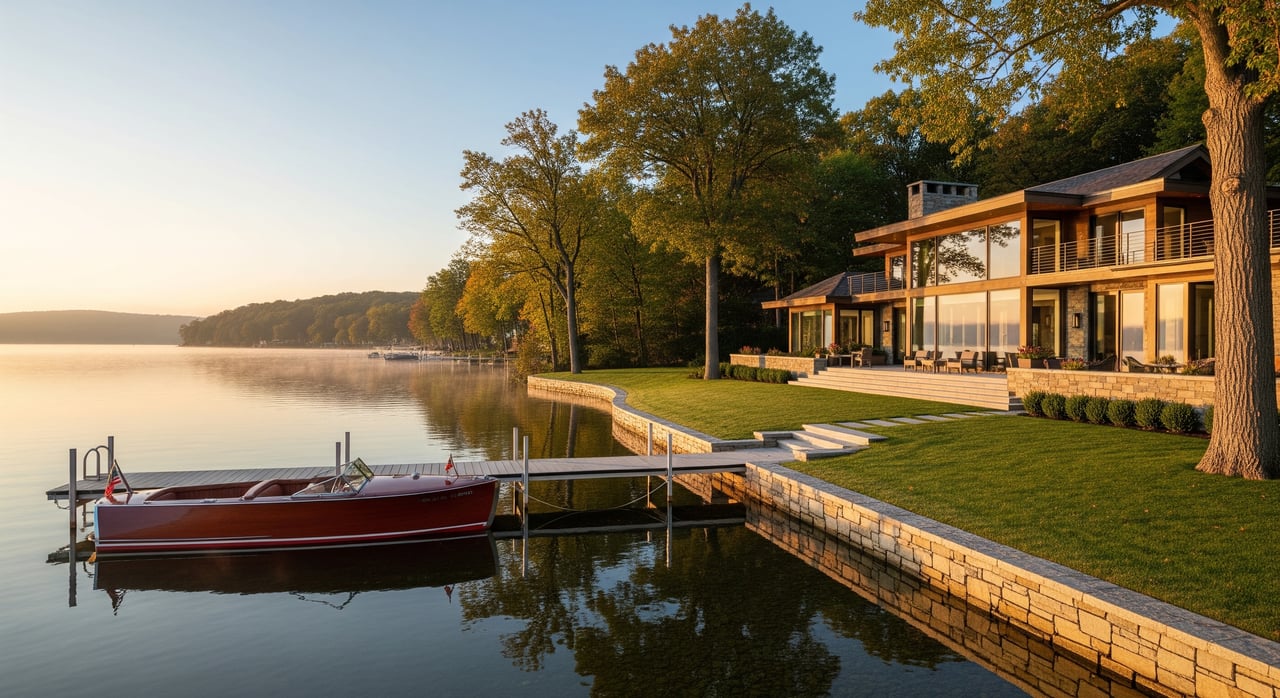
Picture a calm morning on the dock, coffee in hand, with the clearest water in the Finger Lakes at your feet. If you are considering life on Skaneateles Lake, you are not alone. From quiet coves to a walkable village core, ZIP code 13152 offers a lifestyle that blends relaxation, recreation, and small-town convenience. In this guide, you will learn how the seasons shape daily life, what to expect from lakefront properties, and the practical checks that matter before you buy. Let’s dive in.
Skaneateles Lake at a glance
Skaneateles Lake is long and narrow, commonly cited at about 10 to 11 miles in length with deep, clear water and a maximum depth around 315 feet. Much of the shoreline is privately owned and lower in density than some regional lakes, which helps preserve a peaceful character in many areas. The Village of Skaneateles sits at the north end and anchors ZIP 13152 with shops, dining, and services.
Water quality is a community priority. Because the lake helps supply drinking water to surrounding areas, watershed protections are strong. You will see ongoing efforts around septic systems, shoreline work, and invasive species prevention. These programs help keep the lake clean and beautiful, but they also shape how you maintain your property.
Access is straightforward by car. Syracuse is usually a 30 to 40 minute drive, and Hancock International Airport serves most residents who fly. Public transit is limited, so day-to-day life typically requires a vehicle.
Seasons and daily rhythm
Spring: Reopening and prep
Spring is a reset. As the ice comes off and water warms, you prepare docks and boathouses, check septic systems, and clean up the shoreline. Water temperatures stay cool into late spring, so swimming is limited early on. Boat launches ramp up as the season approaches, and it helps to confirm any inspection requirements aimed at stopping invasive species.
Summer: Peak lake living
Summer is the social season. You will see the most boating, swimming, sailing, and watersports from June through August. The village is lively, especially on weekends and holidays, and parking near shoreline parks can be tight. Many owners host guests or use homes part-time, and some operate permitted short-term rentals depending on local rules.
Services are in full swing. Markets, festivals, and seasonal businesses run at their busiest. Expect more boat traffic in popular areas and occasional noise where launches and public access points are concentrated.
Fall: Quieter water, vivid views
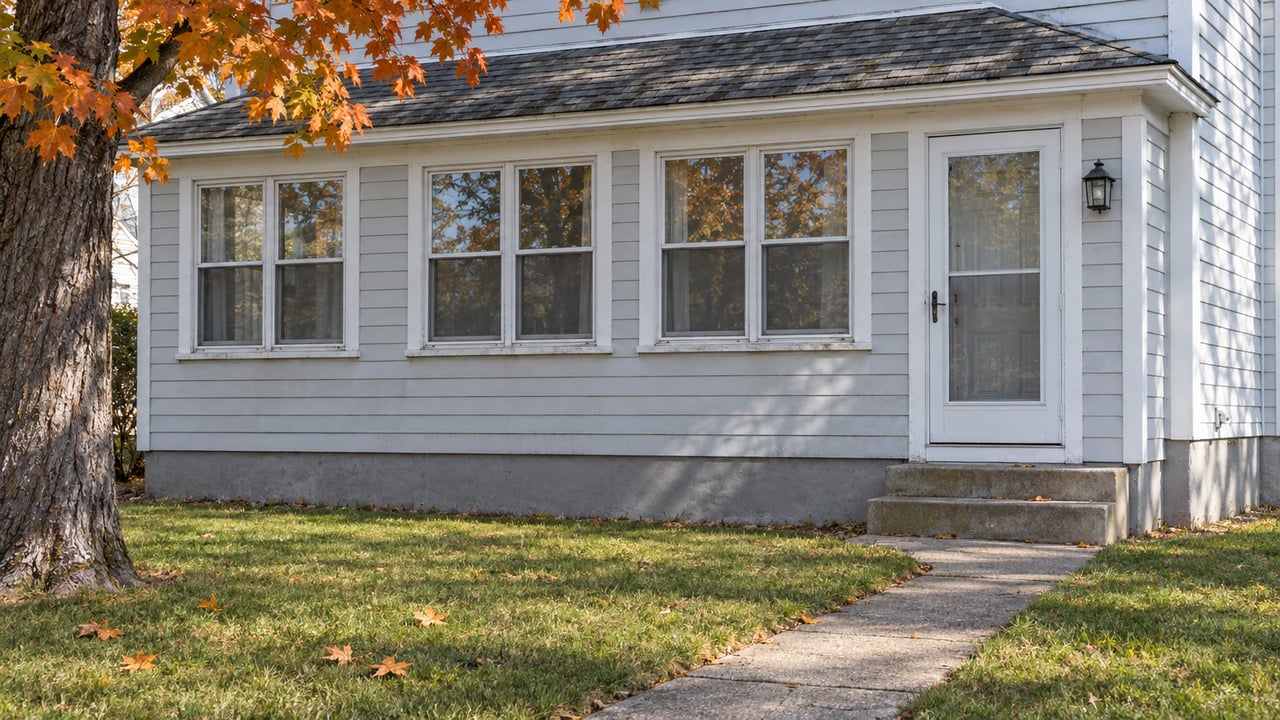
Fall brings crisp air and bright foliage, with calmer boat traffic after early October. Fishing remains popular, and evenings become quieter as seasonal residents close up. Many buyers find fall a good time for inspections because you can see how a property handles cooler weather and shorter days.
Winter: Beauty with logistics
Winters are cold and snowy. If you live down a private drive, budget for plowing and sanding. Many homes rely on septic systems that need winterization and routine service. Because the lake is deep, ice coverage varies year to year, so you should not assume consistent ice for snowmobiling or fishing. Some services reduce hours, and storm-related power outages are possible, so generators and emergency plans are common.
Homes and lots on the lake
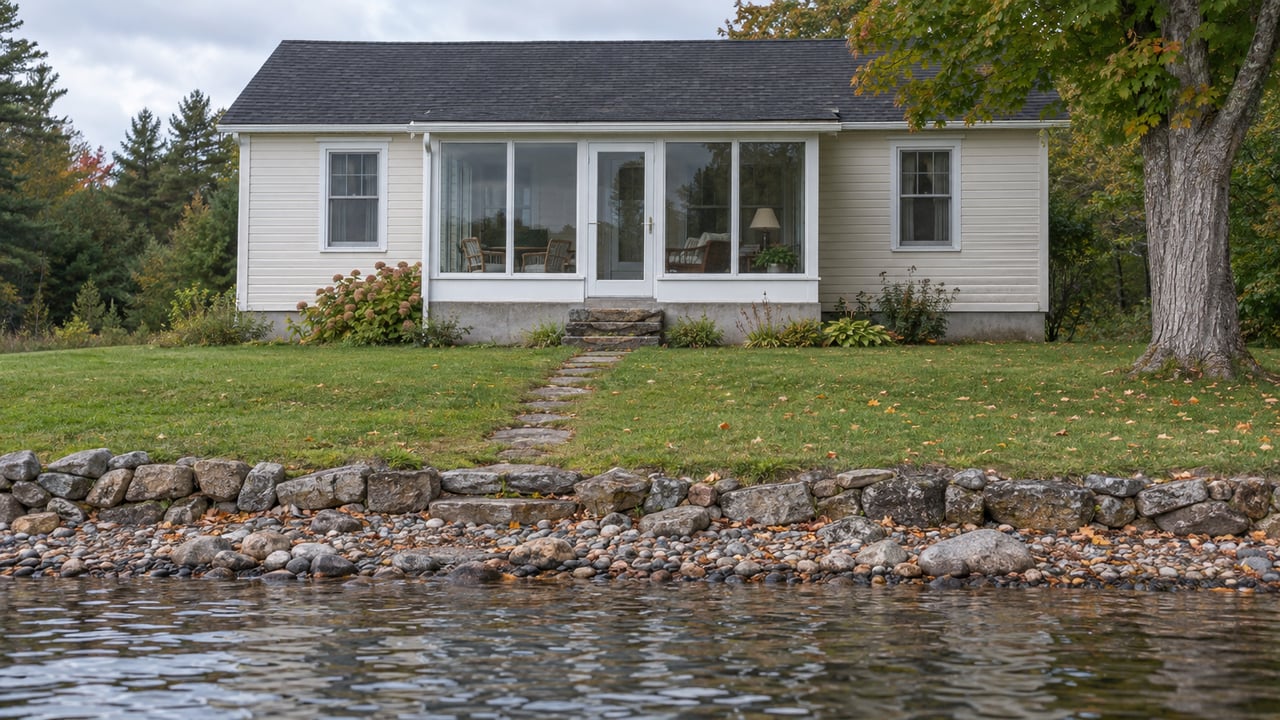
You will find a mix of classic cottages, Victorian-era homes near the village, mid-century cabins, modern waterfront builds, and larger estates. Many properties include docks, boathouses, and long stairways to the shoreline, especially on steeper lots. Lot sizes vary widely. Some parcels are narrow with a steep drop to the water, while others sit on gentler terrain with easier access.
Shoreline vegetation and mature trees are part of the privacy and character. That tree cover also helps manage runoff, which supports water quality. If you plan to open views or adjust landscaping, expect to balance your goals with local environmental guidelines.
Ownership patterns and cost realities
Lakefront is a premium in the local market. Limited inventory and strong demand keep prices above comparable inland homes. Ownership includes full-time residents, part-time owners, and some vacation rentals where allowed. Property taxes and insurance reflect higher assessed values and replacement costs. Flood insurance is only required if a property sits in a mapped floodplain, so it pays to check the specific site’s status and elevation data.
Budget for maintenance. Lake living brings recurring costs such as dock installation and removal, shoreline stabilization, septic service, and snow removal for longer or steeper drives. These expenses vary by property, but they are common to most waterfront ownership.
Utilities and connectivity
Village homes typically have municipal water and sewer. Many lakefront properties in the Town rely on private wells and septic systems, which means inspection records and service history are important during due diligence. Electrical service is standard, yet storms can cause outages, so many owners use backup generators.
Internet and cell coverage can change from cove to cove. Some addresses have cable or fiber, while others rely on DSL or fixed wireless. If year-round remote work or streaming is essential, verify service options and speeds by exact address. Ask sellers for recent performance details.
Docks, shoreline work, and permits
Docks, boathouses, riprap, and similar shoreline improvements often require permits. Depending on the project, approvals may involve the Town or Village of Skaneateles, Onondaga County, and New York State environmental authorities. Setbacks, water-quality standards, and environmental review can apply.
Before you assume a dock conveys, confirm the status in the deed and verify permits for the original build and any repairs. On steep lots, access structures and lifts can be specialized and costly to replace. Factor long-term maintenance into your budget and timeline.
Recreation and village amenities
Boating, sailing, kayaking, paddleboarding, and fishing are everyday joys on Skaneateles Lake. You will find clubs and marinas that support lessons, moorings, storage, and seasonal service. Fishing follows New York State regulations with species that include trout, landlocked salmon, and bass.
Public access is limited compared with the length of private shoreline, but there are parks and launches you can use. In the village, you can walk to boutiques, restaurants, galleries, and services. For healthcare, primary clinics are nearby and major hospitals are in Syracuse, which most residents reach by car.
Families often look at the Skaneateles Central School District for K–12 education. Keep in mind that school preferences are personal, and performance data changes. If schools matter in your decision, review the district’s current offerings and enrollment details.
Buyer due diligence checklist
Use this checklist to simplify your evaluation:
Utilities and services
- Confirm if the property uses municipal water and sewer or a private well and septic system.
- For septic: request inspection and pumping records. Ask for the system’s age and location relative to the shoreline.
- Verify internet and cell providers by exact address. Confirm typical download and upload speeds.
Structure and access
- Inspect docks, seawalls, boathouses, and lifts. Ask for permits and invoices for recent work.
- Look for signs of shoreline erosion, slope movement, or water intrusion in basements and crawl spaces.
- Evaluate driveway length, grade, and plow access for winter.
Permits and legal
- Identify any easements, shared driveways, or riparian rights considerations.
- Check for code issues or unpermitted work.
- Confirm zoning and rules affecting short-term rentals or accessory structures.
Costs and insurance
- Request recent utility bills and insurance premiums. Determine if flood insurance is required by checking floodplain status.
- Ask about dock and boathouse coverage limits on the current policy.
Winter and year-round living
- Clarify who handles snow removal and how quickly you can access the home in storms.
- Confirm winterization measures like insulated pipes, heating system service, and generator readiness.
Lifestyle and neighborhood
- Visit at different times of day and week to gauge summer traffic, boat noise, and privacy.
- Ask about no-wake zones, local speed rules, and hours for louder activities.
Pros and trade-offs
Living on Skaneateles Lake offers a rare blend of clear water, scenic beauty, and a vibrant yet manageable village scene. In summer you can boat, swim, and relax steps from your door, and in fall you get quiet water and sweeping foliage views. The trade-offs include higher ownership costs, more maintenance, and environmental rules that guide how you care for the shoreline and your systems.
If you value the balance of natural beauty and small-town convenience, the 13152 area delivers. Just be ready for the practical side of lake life: winter access plans, septic stewardship, and a thoughtful approach to docks and erosion control.
How a local advisor helps
Buying or selling on Skaneateles Lake benefits from local knowledge and a careful process. You want clear guidance on septic and shoreline rules, accurate pricing for docks and lake access, and a plan for inspections across seasons. You also want to know which coves see more traffic, which stretches have better internet options, and how to time your move around local events.
As a Skaneateles-based advisor with deep community roots and a background in finance and development, Katie pairs local insight with an analytical approach. Whether you are touring lakefront estates, a village home, or a seasonal cottage, you get responsive, step-by-step support that protects your interests.
Ready to take the next step on Skaneateles Lake? Reach out to Catherine Armijo for local guidance, curated tours, and data-driven strategy for buying or selling in 13152.
FAQs
Is year-round living on Skaneateles Lake practical?
- Yes. Many residents live year-round, but plan for winter snow removal, possible power outages, septic maintenance, and higher heating and upkeep costs than inland homes.
How busy does the lake get in summer?
- Summer weekends and holidays are the busiest, especially near the village and public launches, with more boat traffic, visitors, and parking demand.
Do docks always transfer with the property?
- Not always. Verify the deed, confirm permits and any association rules, and budget for ongoing maintenance or replacement on steep or exposed shorelines.
What should I know about water quality rules?
- The lake’s role in regional drinking water drives strong watershed protections, so expect guidelines for septic care, runoff control, and invasive species prevention.
Will I need flood insurance for a lakefront home?
- Only if the property is in a mapped floodplain. Check the specific address and elevation data, then confirm requirements with your insurer.
What are the internet options along the shoreline?
- Service varies by location. Some addresses have cable or fiber, while others use DSL or fixed wireless. Always verify providers and speeds by exact address.
Are short-term rentals allowed in 13152?
- Rules depend on zoning and location. Confirm current regulations with the local municipality and review any permits or restrictions before you buy.
What winter considerations should I plan for?
- Arrange reliable plowing, service heating systems, protect pipes, and consider a backup generator. Some contractors book up early, so plan ahead.