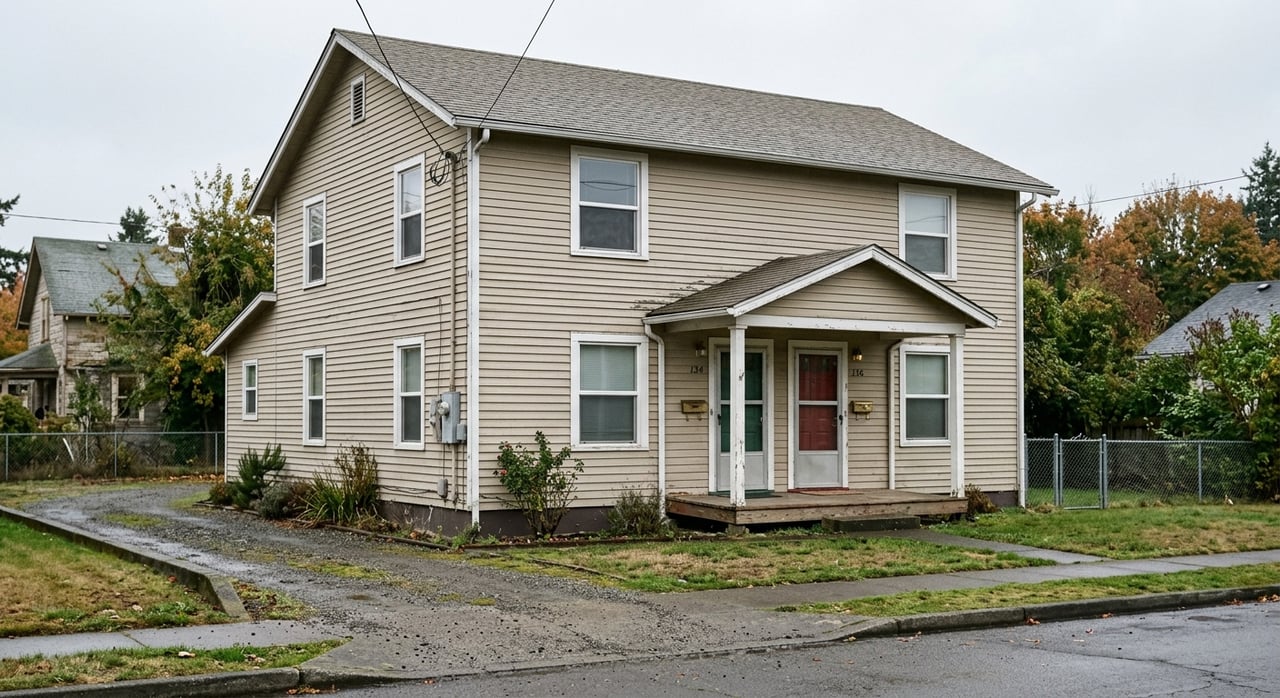
Thinking about buying a rental property in Skaneateles? You are not alone. This market can look appealing at first glance because asking rents are strong, but high purchase prices, local zoning rules, and seasonal demand patterns can change the math fast. If you want to invest wisely in ZIP code 13152, it helps to understand where income potential meets local reality. Let’s dive in.
Skaneateles rental property basics
Skaneateles is a premium, low-inventory market. In ZIP code 13152, the typical home value is about $643,734, and there were 16 homes for sale at the time of the research. On the rental side, there were 22 active rentals, with an average asking rent of $3,250 and a range from $2,300 to $10,000.
That combination tells you something important right away. Rent levels may be attractive, but supply is limited and acquisition costs are high. In a market like this, your return depends less on chasing a headline rent number and more on buying the right property at the right price with a realistic plan.
What current asking rents suggest
Current asking rents in 13152 vary by bedroom count. Reported averages are about $2,495 for a one-bedroom, $2,600 for a two-bedroom, $2,900 for a three-bedroom, and $3,750 for a four-bedroom rental.
These are asking rents, not final signed lease amounts. Still, they give you a useful starting point when comparing property types and estimating gross income. They also reinforce how much condition, layout, and location can affect rent performance in a small market.
Why underwriting matters more here
In Skaneateles, it is easy to overestimate returns if you focus only on rent. The market supports strong rent checks, but the cost to buy can quickly compress your margins. That is why disciplined underwriting matters.
A simple first-pass example shows the challenge. Using the average asking rent of $3,250 and the typical home value of $643,734, gross annual rent would be about $39,000. That works out to a rough gross yield of about 6.1% before expenses and financing.
Once you account for vacancy or lower occupancy, the picture changes fast. At 70% occupancy, effective gross rent drops to about $27,300, and gross yield falls to around 4.2% before expenses. That is a helpful reminder to stay conservative with your assumptions.
Key numbers to review before you buy
Before you commit to a property, review these basic investment metrics:
- Gross potential income: monthly rent times 12
- Effective gross income: gross rent minus vacancy and credit loss
- NOI: effective gross income minus operating expenses
- Cap rate: NOI divided by purchase price
- Cash-on-cash return: annual pre-tax cash flow divided by total cash invested
For a short-term or seasonal strategy, you would replace monthly rent with nightly revenue and occupancy assumptions. Either way, the principle is the same: your deal should still make sense after taxes, insurance, repairs, management, reserves, and compliance costs.
Long-term vs seasonal rental strategy
One of the biggest decisions in Skaneateles is whether you want a long-term rental or a seasonal model. The answer is not just about income potential. It is also about compliance, vacancy risk, and what the property is legally allowed to do.
For many investors, long-term rentals offer the cleaner path. They usually mean steadier occupancy, simpler operations, and fewer moving parts when you compare them with a short-stay setup.
Long-term rentals in the Village
In the Village of Skaneateles, transient occupancy is defined as less than 30 consecutive days. The code states that overnight accommodation for compensation under 30 days is generally not permitted except in a hotel, lodging, or bed-and-breakfast homestay.
That means a 30-day or longer lease is the conventional residential rental model in the Village. If your goal is a more traditional investment property, that distinction is important.
Seasonal and short-stay limits
The Village does recognize a specific short-stay residential use: the bed-and-breakfast homestay. But the rules are narrow. The code requires owner occupancy, limits the number of sleeping rooms and total occupants by district, prohibits guest cooking, caps stays at seven consecutive nights, and generally requires the owner to be physically present except for limited short absences with on-site supervisory management.
In the Town outside the Village, the rules depend on zoning district and use category. In RF and RR districts, single-family dwellings are permitted by right, while accessory apartments and two-family homes are subject to site-plan review, and multifamily uses require special permits. Bed-and-breakfasts and lodging facilities may be possible in some cases, but only where the parcel and approvals support that use.
Start by confirming Village or Town location
This is one of the most important early steps. A parcel inside the Village and a parcel in the Town outside the Village do not follow the same rules.
The Town zoning law applies only outside the incorporated Village of Skaneateles. The Town occupancy-tax law also states that the Town tax does not apply within the Village if the Village has its own occupancy tax. So before you underwrite rent, always confirm exactly where the property sits.
Occupancy tax rules to know
For taxable stays, both the Village and Town use a 30-day permanent-resident threshold. In the Village, a hotel room occupant staying at least 30 consecutive days is treated as a permanent resident. In the Town, an occupant of a short-term dwelling unit staying at least 30 consecutive days is treated the same way.
In the Village, hotel room occupancy tax is 5% of room rent within village limits. In the Town, operators must register, display a certificate, and file quarterly returns due April 20, July 20, October 20, and January 20.
If you are considering a seasonal model, these are not small details. Registration, filing deadlines, and tax treatment should be part of your upfront due diligence, not something you discover later.
Lakefront investing needs extra caution
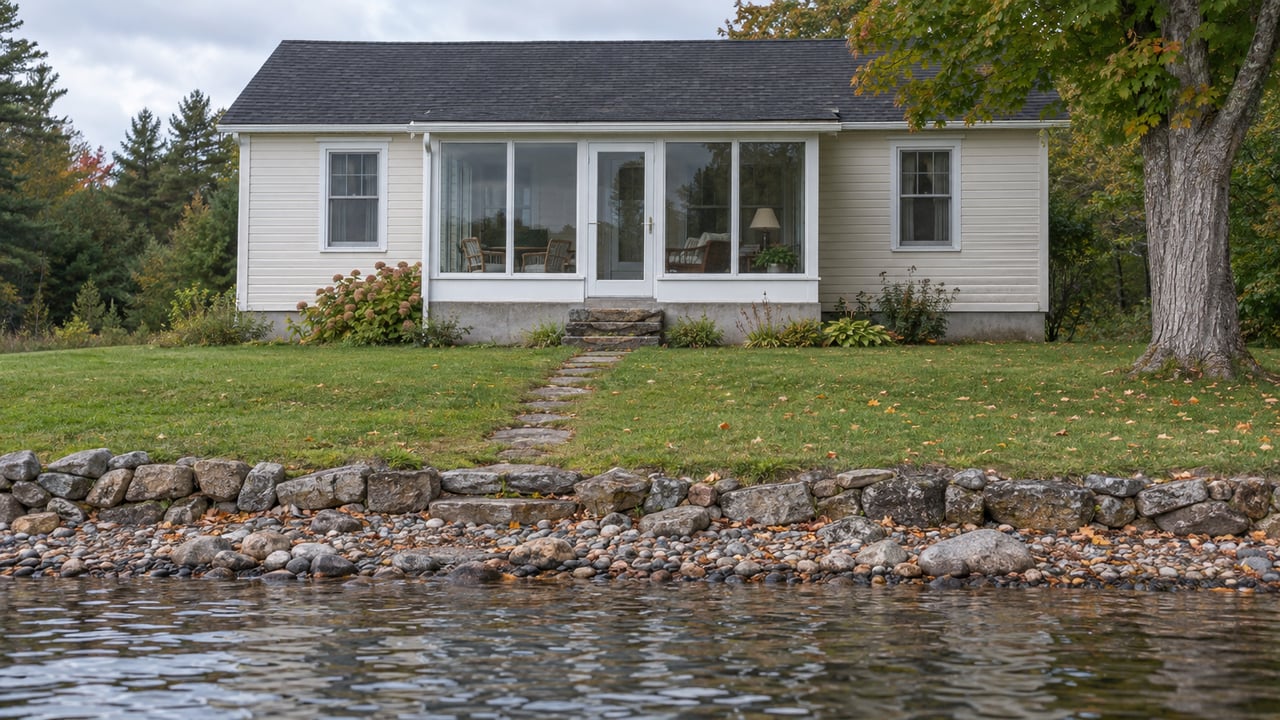
Lakefront property in Skaneateles can be especially appealing to buyers and renters, but it also comes with tighter constraints. If you are looking at a parcel near the water, your underwriting needs to reflect that.
The Town code requires additional review for certain structures within 200 feet of the Lake Line. It also prohibits commercial use of shoreline structures and prohibits the leasing or rental of private onshore or offshore accessory structures.
That can limit flexibility in ways buyers do not always expect. A standard inland rental assumption may not work for a lakefront property, especially if part of your plan depends on accessory structures or shoreline improvements.
Seasonal demand is real, but so is off-season risk
Skaneateles is a known tourist destination, and local tourism activity supports that reputation. Summer events and attractions help drive visitor traffic and seasonal interest.
That can create opportunity for an investor using an approved seasonal model. At the same time, demand patterns appear to be stronger during peak periods, which means off-season vacancy should be part of your planning.
Stress-test your assumptions
If you are considering a seasonal strategy, build your numbers with caution. It is smart to test your projections against:
- Lower off-season occupancy
- Higher turnover costs
- Furnishing and setup expenses
- Cleaning and management costs
- Compliance and registration requirements
- Repair and reserve needs
In a market with only 22 active rental listings, small shifts in demand or operating cost can have an outsized impact on performance. Conservative assumptions can help you avoid buying based on best-case scenarios.
A practical Skaneateles investment checklist
Before you make an offer, walk through a clear process:
- Confirm the property location inside the Village or in the Town outside the Village.
- Review zoning and allowed use for that parcel and district.
- Match your strategy to the rules, whether long-term, seasonal, or owner-occupied homestay.
- Estimate income conservatively using current asking rents or realistic occupancy assumptions.
- Budget all operating costs, including taxes, insurance, repairs, reserves, and possible management.
- Check lakefront restrictions if the parcel is near Skaneateles Lake.
- Stress-test vacancy for shoulder season and winter if you are considering short stays.
This kind of careful review fits the Skaneateles market well. Here, the best investment decisions usually come from patient analysis, not speed.
Why local guidance makes a difference
In a place like Skaneateles, rental investing is not just about finding a house and plugging numbers into a spreadsheet. You also need to understand local inventory, pricing pressure, zoning limits, and how a property’s setting can affect its use.
That is where local insight can save you time and money. A data-driven review of value, rent potential, and property-specific constraints can help you avoid expensive assumptions and focus on opportunities that truly fit your goals.
If you are weighing an investment purchase in Skaneateles, Katie can help you evaluate the numbers, the location, and the practical fit for your strategy. When you are ready for local guidance and clear analysis, reach out to Catherine Armijo.
FAQs
What makes Skaneateles rental property different from other markets?
- Skaneateles combines high home values, limited inventory, and strong asking rents, so your return often depends on disciplined underwriting and careful property selection.
What is the average rent for Skaneateles rentals in ZIP code 13152?
- Current active rental listings in 13152 show an average asking rent of about $3,250, with a reported range of $2,300 to $10,000.
What lease length is usually treated as long-term rental use in the Village of Skaneateles?
- In the Village, stays under 30 consecutive days are treated as transient occupancy, so a 30-day or longer lease is the standard residential rental model.
What should investors know about short-term rental rules in Skaneateles?
- Short-stay use is heavily dependent on whether the property is in the Village or the Town, the parcel’s zoning, and whether the use qualifies under local rules such as hotel, lodging, or bed-and-breakfast homestay standards.
What extra rules apply to Skaneateles lakefront rental property?
- In the Town, certain structures within 200 feet of the Lake Line may require added review, and the code also restricts commercial use of shoreline structures and rental of certain accessory structures.
What is a simple way to evaluate a Skaneateles rental investment?
- Start with gross income, vacancy, operating expenses, NOI, cap rate, and cash-on-cash return, then stress-test the deal for seasonal vacancy, repairs, reserves, and compliance costs.