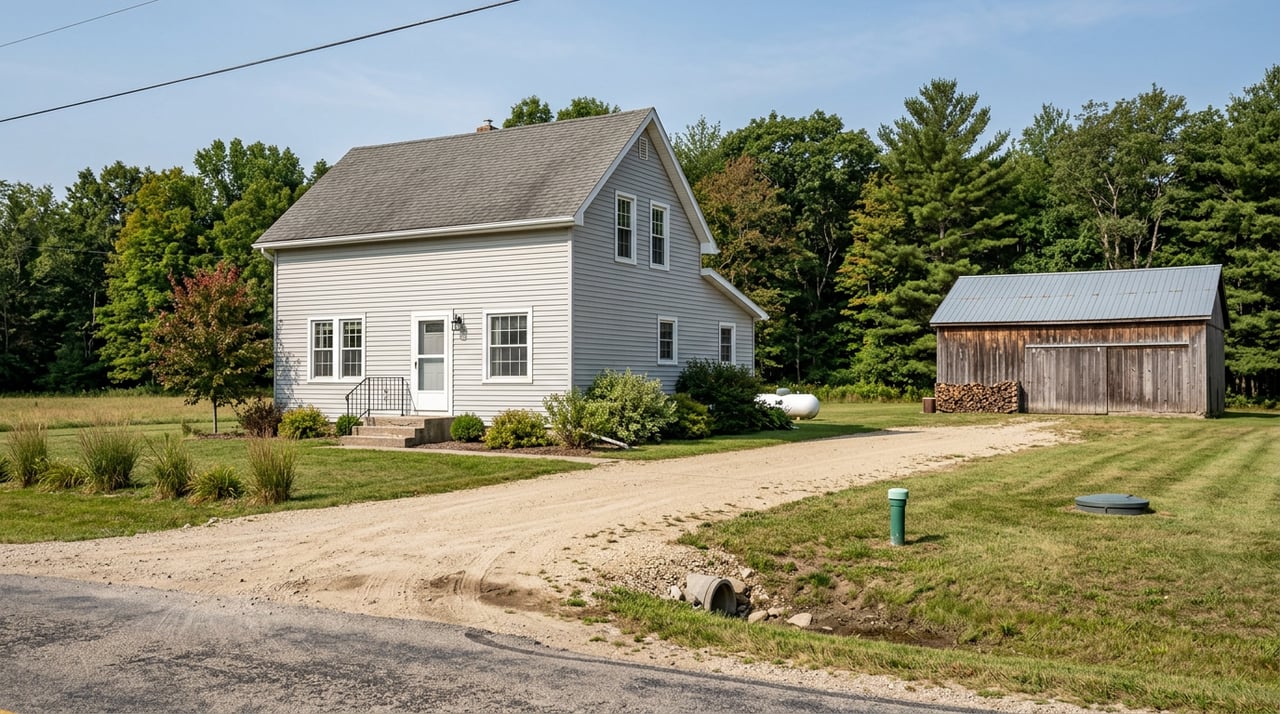
Craving wide-open space near Skaneateles but not sure what comes with a rural address? When you buy acreage in 13152, you are not just buying a home. You are buying wells and septic, private roads, outbuildings, and a location inside a protected lake watershed. This guide breaks down what to check, who to call, and how to avoid costly surprises. Let’s dive in.
Know who sets the rules
Buying land outside the village puts you in the Town of Skaneateles. The Town regulates zoning, site plan, and overlay districts for most rural parcels. You can confirm allowed uses, setbacks, and overlays in the Town’s Zoning Law and maps. Start with the Town’s Zoning Law to understand district standards and the Lake Watershed Overlay rules that may apply to your parcel. Review the Town’s standards in the Town Zoning Law.
Within much of the area, the Skaneateles Lake Watershed Overlay District adds extra protection. Because the lake supplies public drinking water, the Town requires compliance with the City of Syracuse Watershed Rules and Regulations inside this overlay. Expect added review for soil disturbance, shoreline buffers, and septic work in these areas. See the City’s full watershed rules for details.
The Onondaga County Health Department is your authority for private wells and onsite wastewater systems. Plan reviews, permits, and inspections for wells and septic flow through the County’s Environmental Health division. Explore the County’s well guidance and septic program pages to set your expectations and timeline.
- Town zoning and watershed overlay: review the Town Zoning Law.
- City of Syracuse watershed rules: learn what applies near the lake and tributaries.
- County wells and septic: permits and inspections go through Onondaga County Environmental Health.
Review the Town Zoning Law | City watershed rules | Onondaga County wells | Onondaga County septic
Private wells: test and verify
Rural homes typically use private wells. Before you close, you should test the water and confirm the well’s history. The County provides guidance on siting, common contaminants, and testing frequency, and most lenders will want documented results.
At minimum, ask for total coliform and E. coli and nitrate. It is also smart to test pH, iron and manganese, hardness, chloride from road salt, and arsenic if geology or nearby land uses suggest it. Annual bacteria and nitrate testing is recommended for private wells.
How to handle well due diligence:
- Order a certified lab test early in your contingency period. Follow County guidance for parameters and collection.
- Ask the seller for the well log or driller’s report and service records. Keep these with your closing docs.
- Arrange a well flow test if your lender or appraiser requests it.
- If results show issues, consult the County or Cornell Cooperative Extension about treatment options and costs.
For standards and next steps, review the County’s well guidance on Onondaga County wells.
Septic systems: inspect and permit
Septic systems must meet New York State design standards and pass County plan review. Inside the Skaneateles Lake watershed, you may face stricter screening, added stormwater controls, or enhanced system designs. The County has a specific application for systems in the Skaneateles and Otisco watersheds.
Protect yourself with the right contingencies. Require a performance inspection that includes a pump-out if needed and a visual check of the tank, distribution box, and visible components. Ask for County permit history and, if you plan to add bedrooms or expand, a soil evaluation or perc test to confirm capacity.
If a system is failing near the lake or its tributaries, you may qualify for funding help. Onondaga County administers septic replacement assistance for eligible properties within set lake and stream buffers.
- What to include in your offer: recent septic inspection, pump-out documentation, County permit history, and any approved repair or expansion plans.
- Watershed parcels: expect extra review and possible design upgrades.
- Funding: check eligibility near Skaneateles Lake.
Learn more on Onondaga County septic and potential septic replacement funding.
Zoning, ag use, and outbuildings
If you plan a hobby farm, barn, or accessory dwelling, check the Town’s zoning first. Rural districts allow a range of uses, but overlay areas and lake-adjacent parcels can have special limits. Farm structures may have different setbacks or height treatment in agricultural districts, yet many projects still require permits or review.
If your land lies in an Onondaga County Agricultural District, farm operations receive certain Right to Farm protections under state law. That affects how typical farm activities are treated, but it does not automatically exempt nonfarm buildings or significant site work. An agricultural data statement may be required for municipal applications near farm operations.
Key steps:
- Confirm your zoning district and any overlays in the Town code.
- Check if the parcel is in Agricultural District 2 and whether the seller has an agricultural assessment.
- Verify rules for barns, sheds, and accessory apartments before you design.
Reference materials: Town Zoning Law and the Ag District map for the Skaneateles area (District 2).
Access and winter reliability
Many rural properties sit on long driveways or private roads. If a driveway connects to a Town road, you need a Town driveway permit for new openings. Subdivisions with private roads usually require a recorded maintenance agreement and, in some cases, engineering certifications. Snow removal on private roads is typically up to the owners or an HOA.
In your review, look for a clear, recorded road maintenance agreement. Confirm who pays for plowing and grading, and how emergency access is handled. The Town and Planning Board often require private roads to meet emergency vehicle standards.
For design and emergency access expectations, see the Town’s private road and access guidance in this document: Emergency and winter access.
Environmental overlays and wetlands
Parcels inside the lake watershed face added rules on soil disturbance, stormwater, and storage of certain materials. The City’s Watershed Rules define protection zones, shore buffers, and restrictions on uses near the lake and streams. If you plan to cut into a slope, clear trees, or build near water, expect added review.
You should also check for state or federal wetlands and mapped floodplain. Those areas bring extra permits and setbacks. Local watershed resources outline erosion and sediment control plan requirements and where buffers apply.
Start with the City’s rules and local permit guidance: Watershed Rules and permit info for the Skaneateles Lake watershed.
Utilities and internet
Do not assume your favorite internet provider serves a specific back road. Electric is widely available, but broadband varies by street. Some areas have cable or fiber, while others rely on fixed wireless or satellite.
Before you commit, call providers with the exact address. Ask about speeds, installation timelines, and any buildout fees. Factor these costs into your offer and move plans.
Taxes and financing for rural property
If you intend to farm or lease fields, you may qualify for New York’s agricultural assessment. The process starts with a soil group worksheet from the County Soil and Water Conservation District and an RP-305 application with the assessor. Renewals are filed annually in most counties.
For financing, certain mortgage programs can fit rural purchases. USDA Rural Development loans base eligibility on the property location and use. Ask your lender early about required well and septic tests so you can include the right contingencies.
- Agricultural assessment overview: NYS guidance on ag assessments
- USDA eligibility tool: Check property eligibility
Your Skaneateles acreage checklist
Use this quick list to stay organized before you close:
- Confirm jurisdiction and zoning. Verify Town vs. Village, your zoning district, and whether the parcel lies inside the Lake Watershed Overlay. See the Town Zoning Law.
- Verify water quality. Order a certified well test for coliform and E. coli and nitrate at minimum. Consider pH, iron and manganese, hardness, chloride, and arsenic. Get the well log if available. See Onondaga County wells.
- Inspect the septic system. Schedule a pump-out if needed and a performance inspection. Request County permit history and a soil evaluation if you plan to expand. Learn what to expect on Onondaga County septic.
- Check watershed requirements. If inside the lake watershed or near streams, review City watershed rules and local permit guidance. Start with Watershed Rules and permit info.
- Review access and maintenance. Obtain the private road agreement or HOA docs. Confirm who pays for plowing and that roads meet emergency access standards. Town guidance: Emergency and winter access.
- Confirm Ag District and farm plans. If you plan animals or crops, check Agricultural District 2 status and setbacks, and ask about voluntary best practices with local conservation programs. See the District 2 map.
- Ask for records. Request permits for well, septic, and building work, plus disclosure of any well or septic problems.
- Explore incentives. If near the lake, check septic replacement funding. For farm use, review NYS ag assessment.
- Align financing early. Confirm your lender’s well and septic requirements and check USDA property eligibility if you plan to use that program.
Local guidance when you need it
Acreage near Skaneateles offers privacy, views, and room to grow. It also deserves careful due diligence on water, wastewater, access, and land use. If you want a clear path from offer to close, with the right tests and approvals lined up on time, let’s talk.
For a local, data-driven plan to buy acreage or a rural home in 13152, connect with Catherine Armijo. I will help you verify the essentials, coordinate inspections, and navigate Town and County requirements with confidence.
FAQs
What is the Skaneateles Lake Watershed Overlay and why does it matter?
- It is a Town overlay that triggers compliance with the City of Syracuse Watershed Rules, which add protections and extra review for soil disturbance, septic work, and activities near the lake and streams.
What well water tests should I request for a rural home in 13152?
- At minimum order total coliform and E. coli and nitrate, and consider pH, iron and manganese, hardness, chloride, and arsenic based on local conditions, with guidance from the County.
How do I evaluate a septic system before buying acreage near Skaneateles?
- Require a pump-out if needed and a performance inspection, request County permit history, and get a soil evaluation if you plan to add bedrooms or expand the home.
Do private roads in rural Skaneateles come with town plowing?
- No, private roads are usually maintained and plowed by the owners or an HOA, so obtain the recorded maintenance agreement and confirm emergency access standards.
Can I build a barn or keep animals on my Skaneateles acreage?
- It depends on your zoning district, any overlays, and whether the parcel lies in an Agricultural District, so check Town setbacks and rules for agricultural and accessory structures before building.
Are there funds to help replace a failing septic near Skaneateles Lake?
- Yes, Onondaga County runs a septic replacement funding program for eligible properties within defined lake and tributary buffers, so check your parcel’s eligibility.
Is USDA financing available for rural homes around Skaneateles?
- Possibly, since USDA loan eligibility is parcel specific, you should confirm with the USDA property eligibility tool and ask your lender about required well and septic documentation.